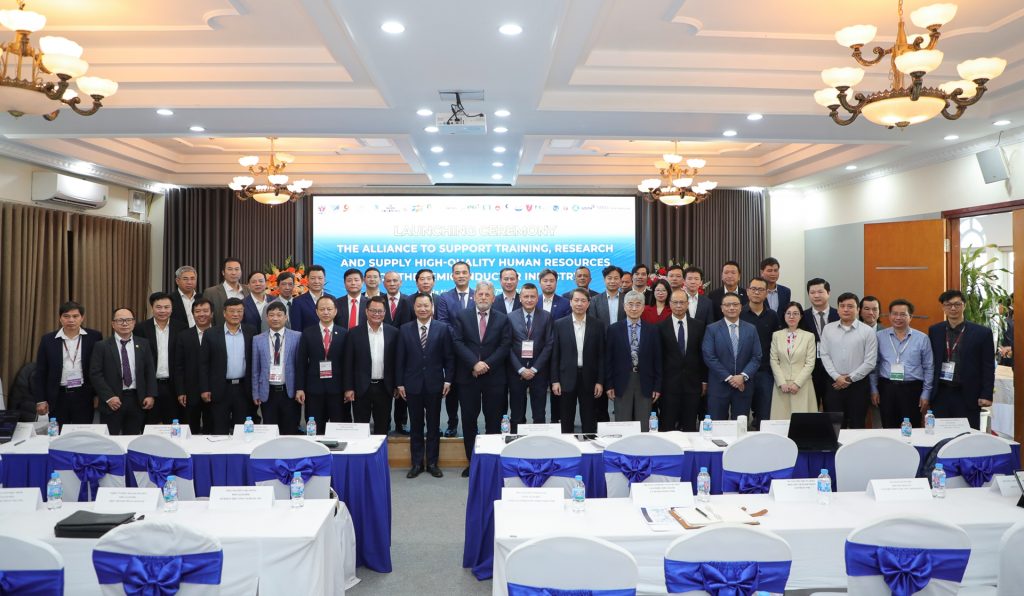
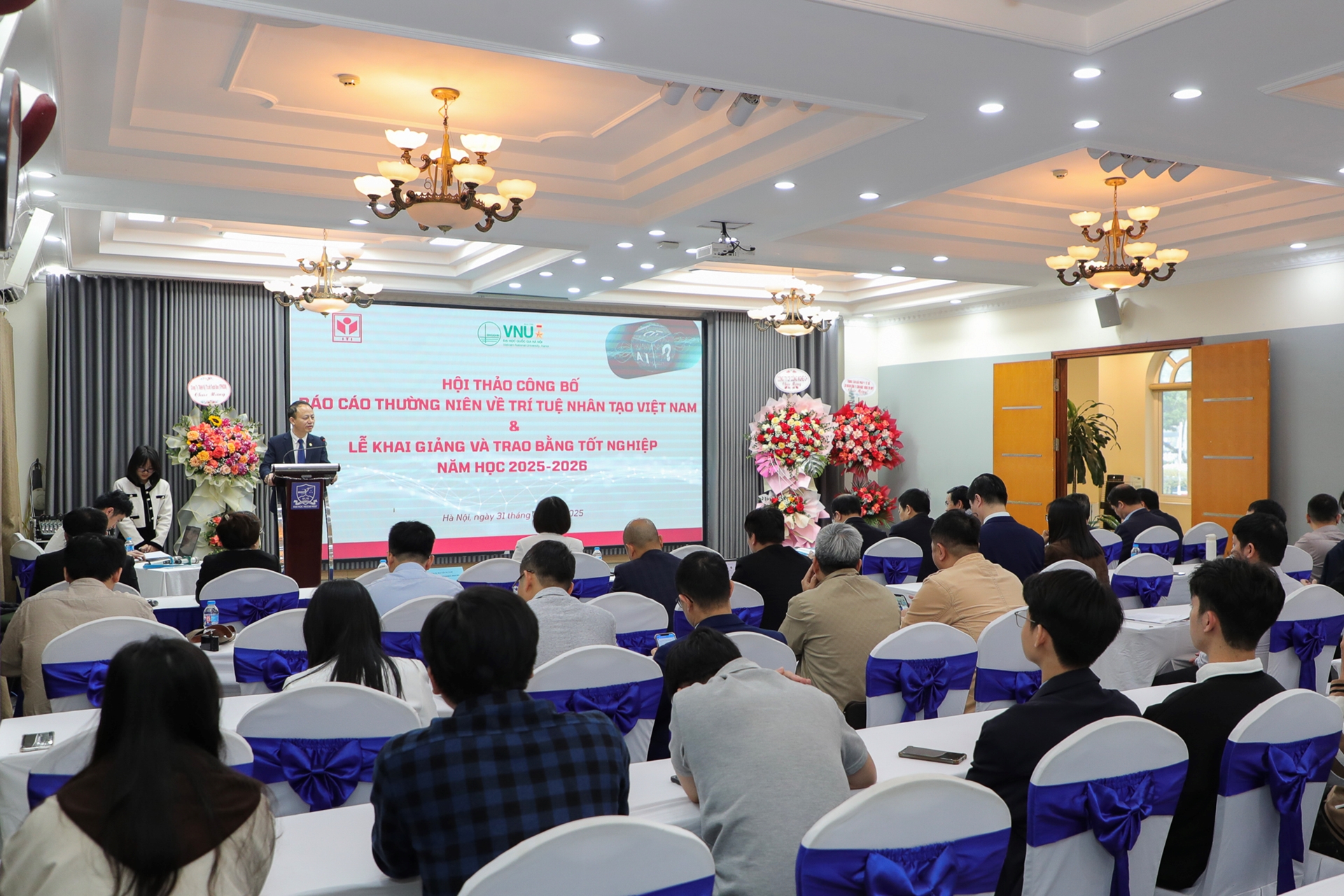
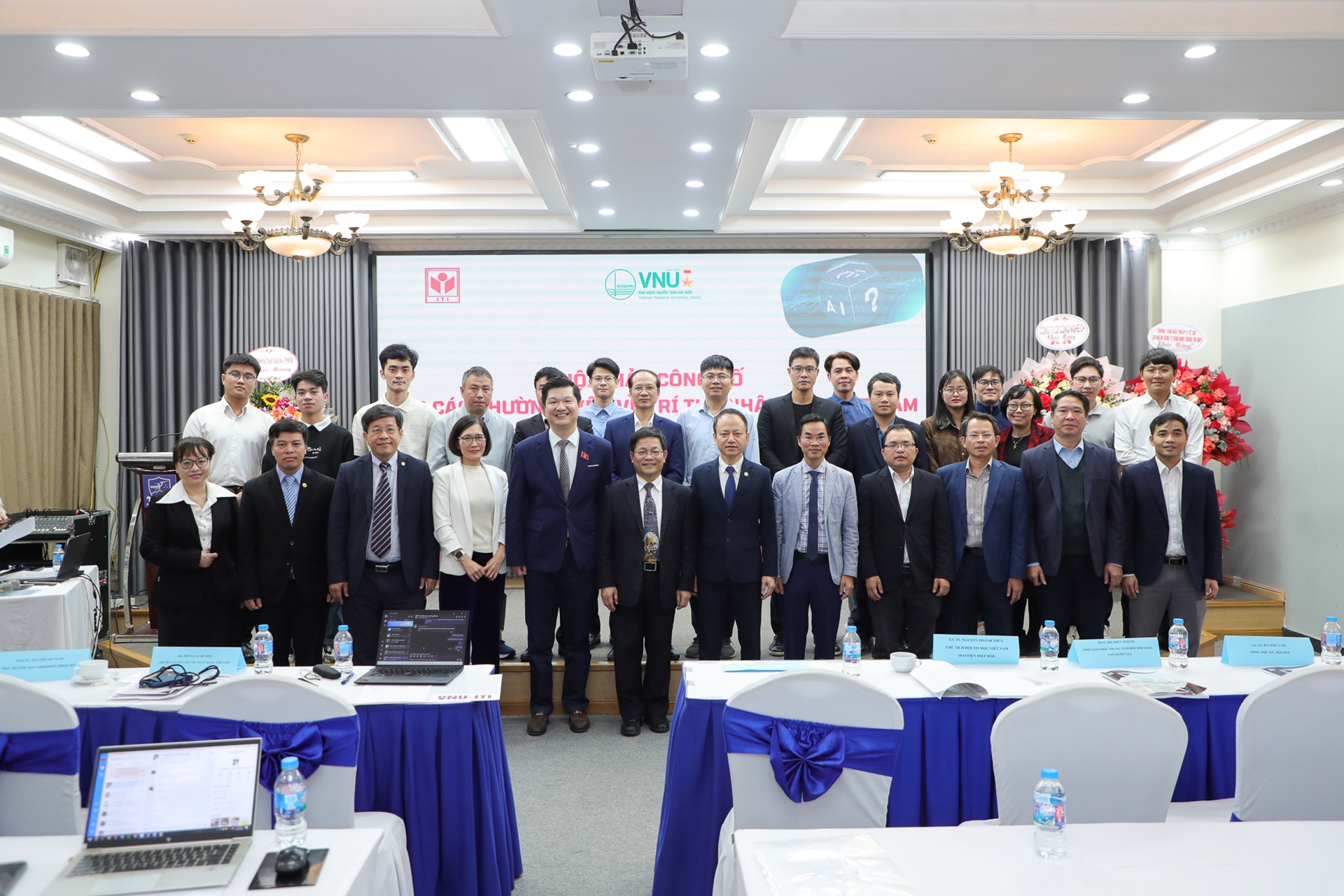
On December 31, 2025, in Hanoi, the Information Technology Institute – Vietnam National University, Hanoi (VNU-ITI) organized a scientific workshop to announce the results of the “2025 Annual Report on Artificial Intelligence (AI) in Vietnam.”
Speaking at the workshop, Prof. Tran Xuan Tu, Director of the Information Technology Institute, stated that the 2025 Annual Report on Artificial Intelligence in Vietnam was developed based on surveys and data analysis from 50 enterprises, 127 research institutes and higher education institutions, as well as 142 units and organizations applying AI nationwide during the 2023–2025 period. The report aims to provide a comprehensive, objective, and evidence-based picture of the research, development, and application of artificial intelligence in Vietnam, focusing on three pillars: Institutes/Universities, Enterprises, and Ministries/Sectors.
The analysis results show that artificial intelligence is gradually asserting its role as a key driver of innovation across many critical sectors such as industry, healthcare, transportation, finance, and education. However, the level of readiness in terms of data infrastructure, computational capacity, and high-quality human resources remains uneven across regions and organizations; at the same time, the gap between policy frameworks and practical implementation continues to be a major challenge to the development and application of AI in Vietnam.
Director Tran Xuan Tu emphasized that, for the State, the Report highlights the central role in improving the legal framework, developing data and computational infrastructure, and establishing financial support mechanisms for research and innovation. The promulgation of an AI Law is considered an important foundation, but it needs to be further specified through flexible implementation mechanisms that ensure both risk management and the encouragement of innovation, particularly with a focus on supporting small and medium-sized enterprises and promoting the formation of an open and sustainable AI ecosystem.
For enterprises, the Report recommends that AI should be approached as a long-term strategy associated with digital transformation, rather than merely short-term technical solutions. Enterprises need to make synchronized investments in data, human resources, and governance capacity, while strengthening cooperation with research institutes and universities to optimize operations, restructure business models, and enhance competitiveness.
For universities and research institutes, the Report proposes viewing artificial intelligence as a new knowledge infrastructure that contributes to accelerating scientific discovery and promoting interdisciplinary research. This requires long-term investment in computational infrastructure, open data, and key research programs, thereby helping Vietnam narrow the gap with advanced countries and enhance its academic standing on the international scientific map.
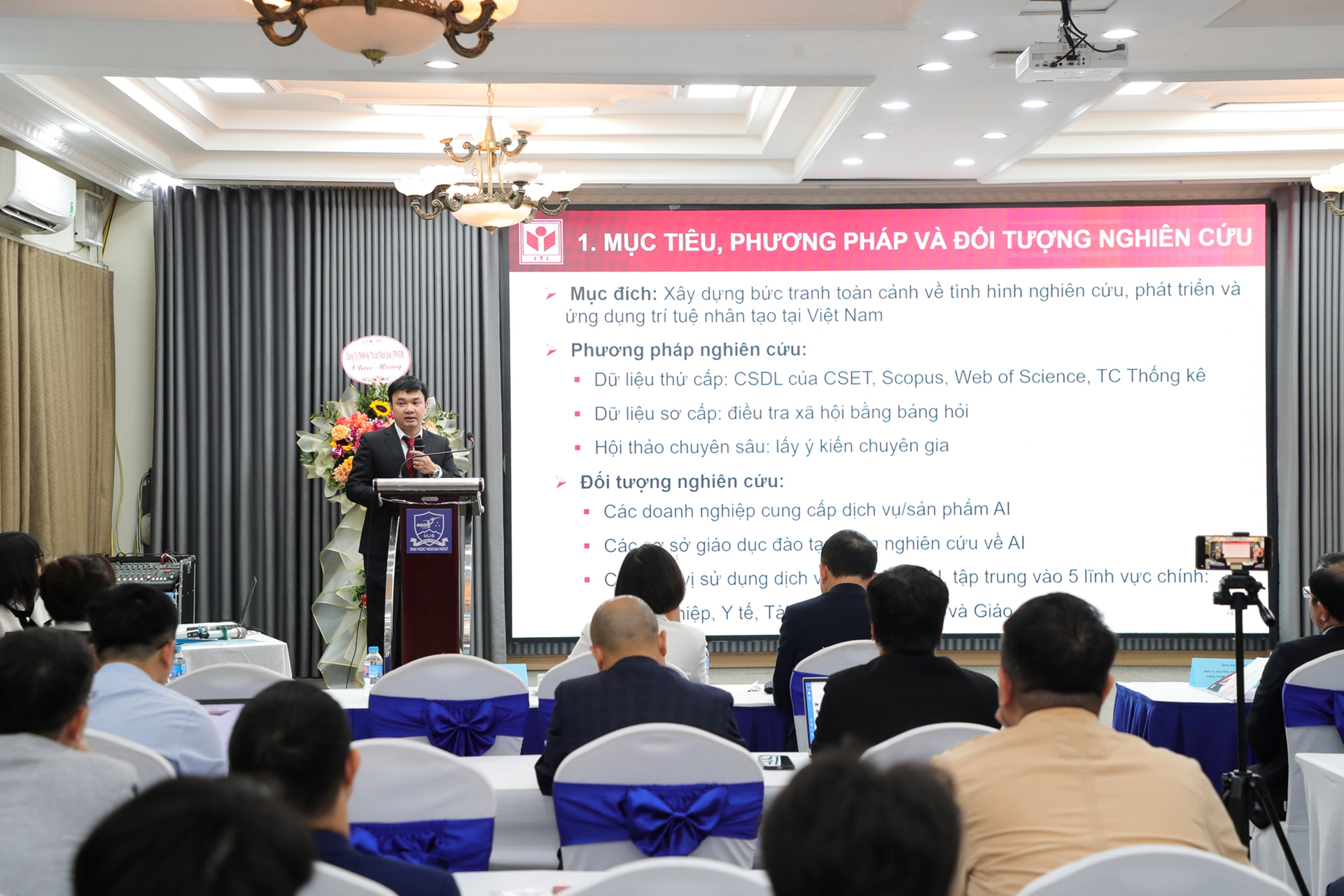
Regarding human resource training, the Report affirms that this is a strategic and foundational task, requiring a focus on innovating curricula and training methods, strengthening practical components, promoting cooperation with enterprises, and developing the AI labor market, with the aim of forming a workforce that is both theoretically well-grounded and capable of meeting the practical demands of the digital economy.
Specifically for Vietnam National University, Hanoi (VNU), the Report proposes that VNU take the lead in applying AI to university governance, promoting interdisciplinary research and personalized education; at the same time, investing in the establishment of centers of excellence in artificial intelligence, sharing data and computational infrastructure, and strengthening international cooperation, thereby affirming its core role in the national AI ecosystem.
Prof. Tran Xuan Tu emphasized that the publication of the Annual Report on AI in Vietnam by the Information Technology Institute not only provides an important scientific and practical basis for policy-making, investment, and training in the coming period, but also contributes to connecting policymakers, scientists, and enterprises toward the goal of responsible, sustainable AI development that serves the common interests of society.
Affirming its role and mission as a member research unit of Vietnam National University, Hanoi, the Information Technology Institute stated that it will continue to accompany regulatory agencies, the scientific community, and enterprises in research, training, and policy consultancy on artificial intelligence, contributing to the building and development of the national AI ecosystem in the coming time.
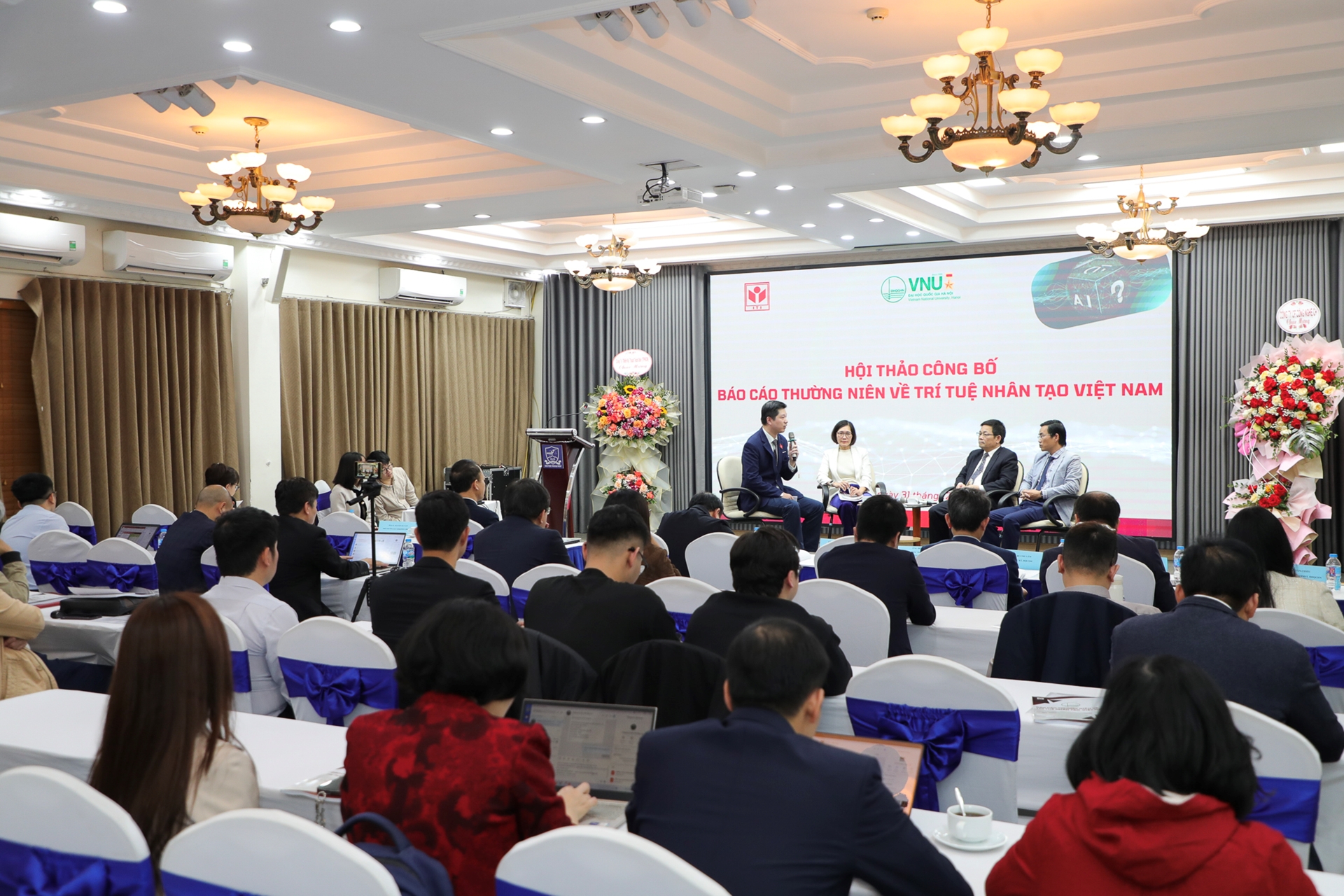
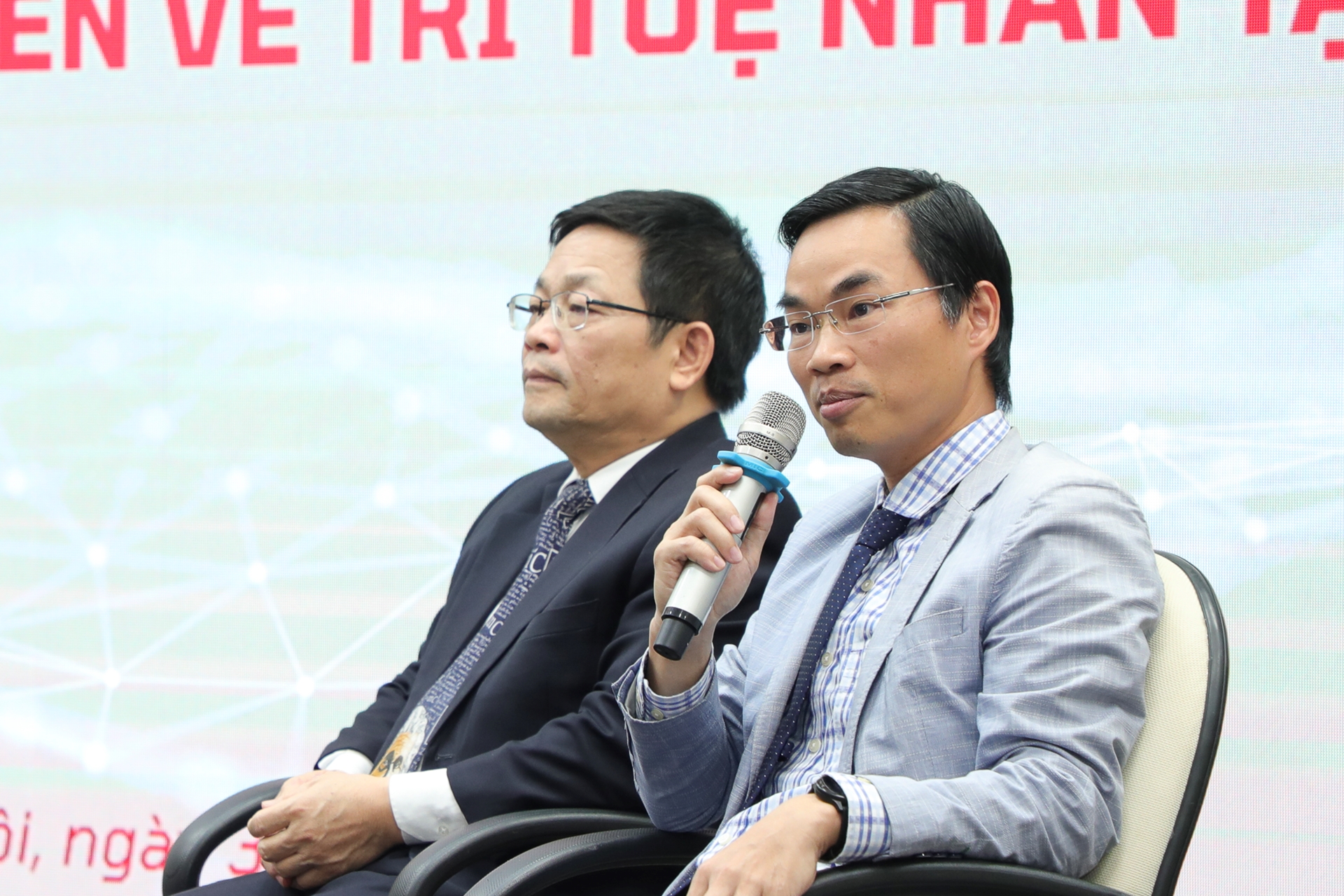
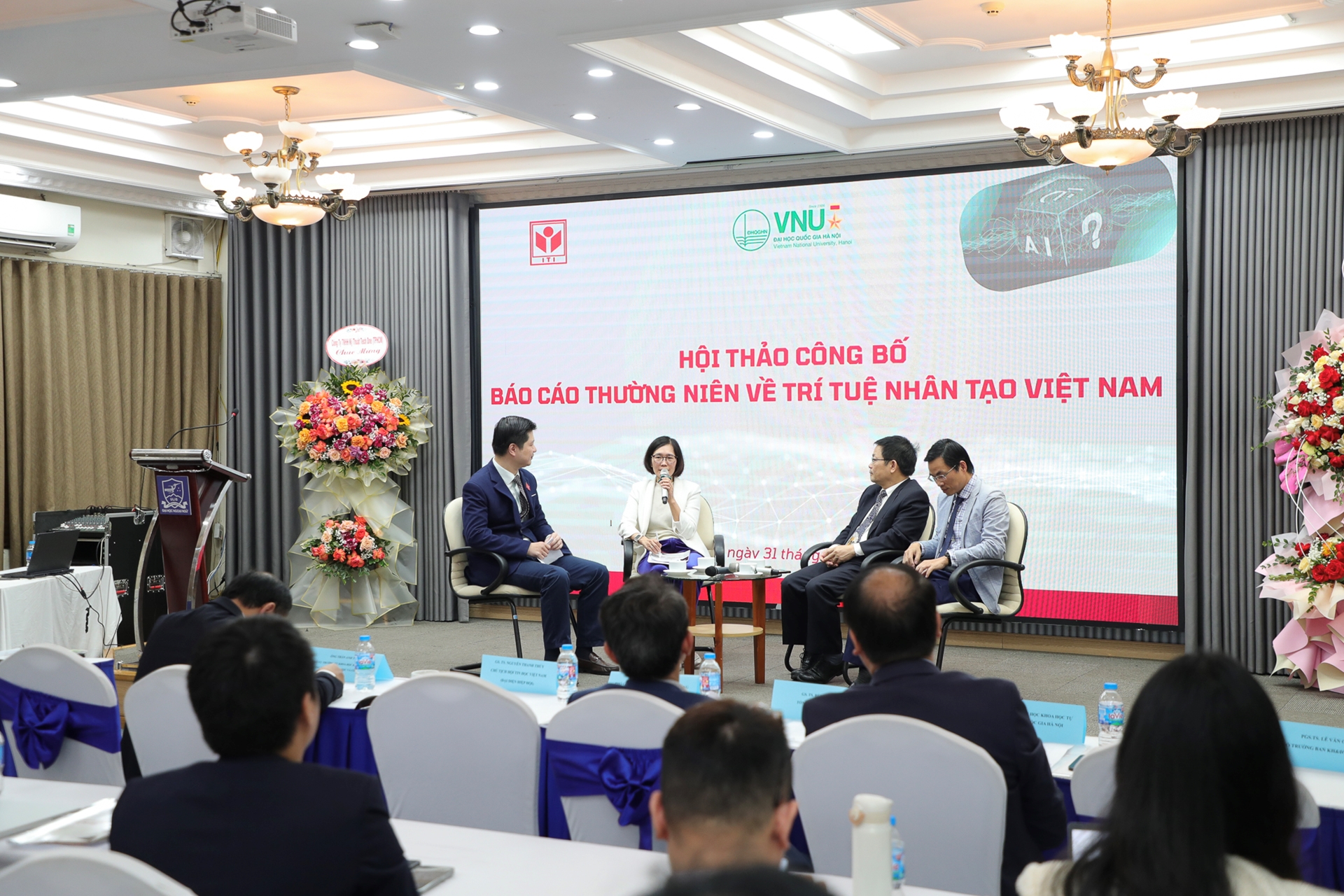
Within the framework of the workshop, a panel discussion on trends and opportunities for AI development in Vietnam for the 2025–2030 period was held, with the participation of Prof. Nguyen Thanh Thuy – President of the Vietnam Informatics Association, Chairman of the Professor Title Council for the Information Technology discipline, and Standing Vice Chair of the KC 4.0 Program for the 2019–2030 period; Mr. Đo Tien Thinh – Deputy Director of the National Innovation Center (NIC); Ms. Tran Thi Lan Huong – Senior Digital Specialist at the World Bank; and Associate Prof. Le Hoang Son – Vice Director of the Information Technology Institute.
The experts shared diverse perspectives on the context and vision of AI in Vietnam in the coming period, with many recommendations presented in the newly released Annual Report on AI, contributing to strategic advisory efforts for the overall national AI development.
Affirming its role and mission as a member research unit of Vietnam National University, Hanoi, the Information Technology Institute fulfills its mission and social responsibility in addressing key technology areas such as artificial intelligence, semiconductor technology, and information security in the era of digital transformation, in accordance with Resolution No. 57 of the Politburo.
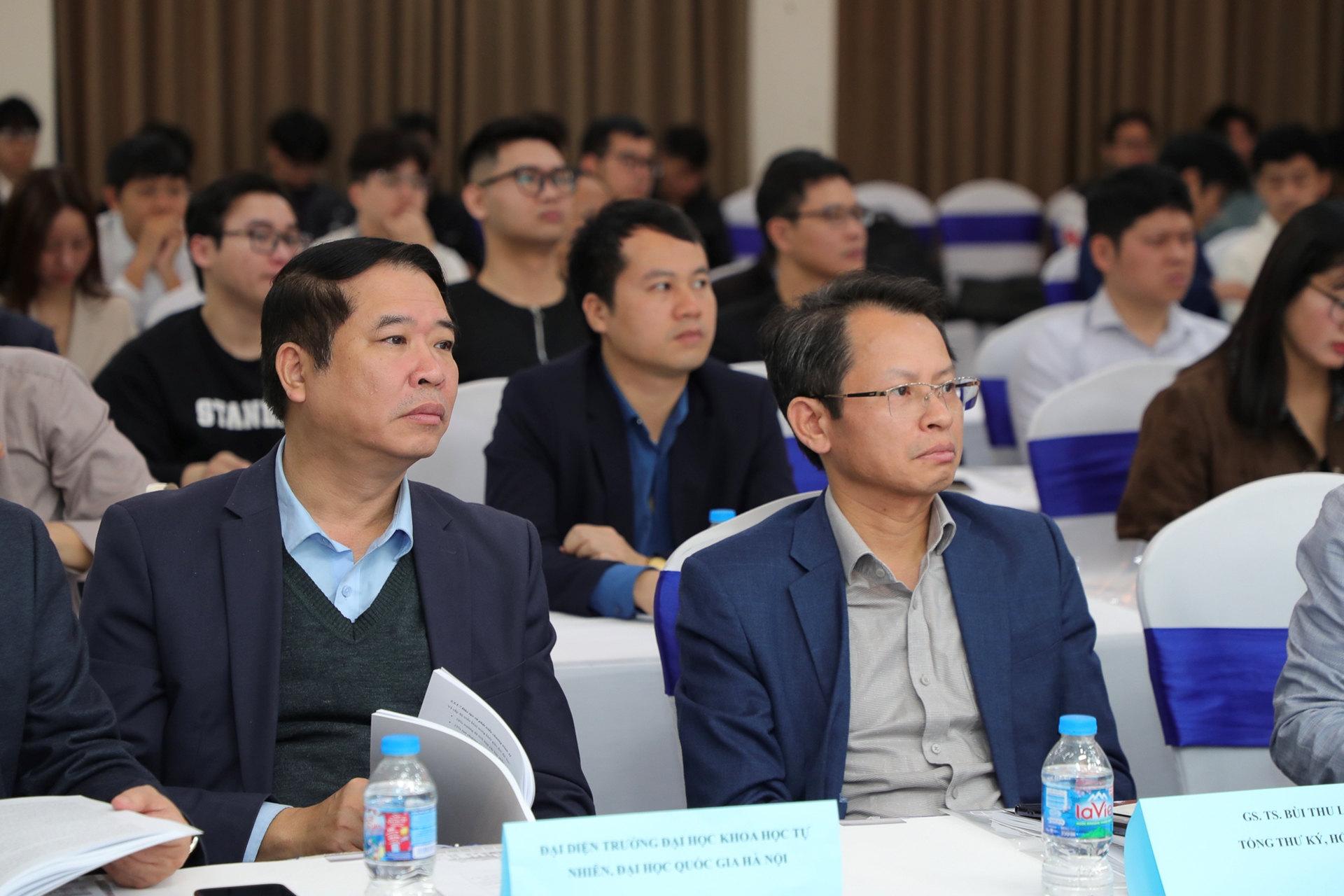
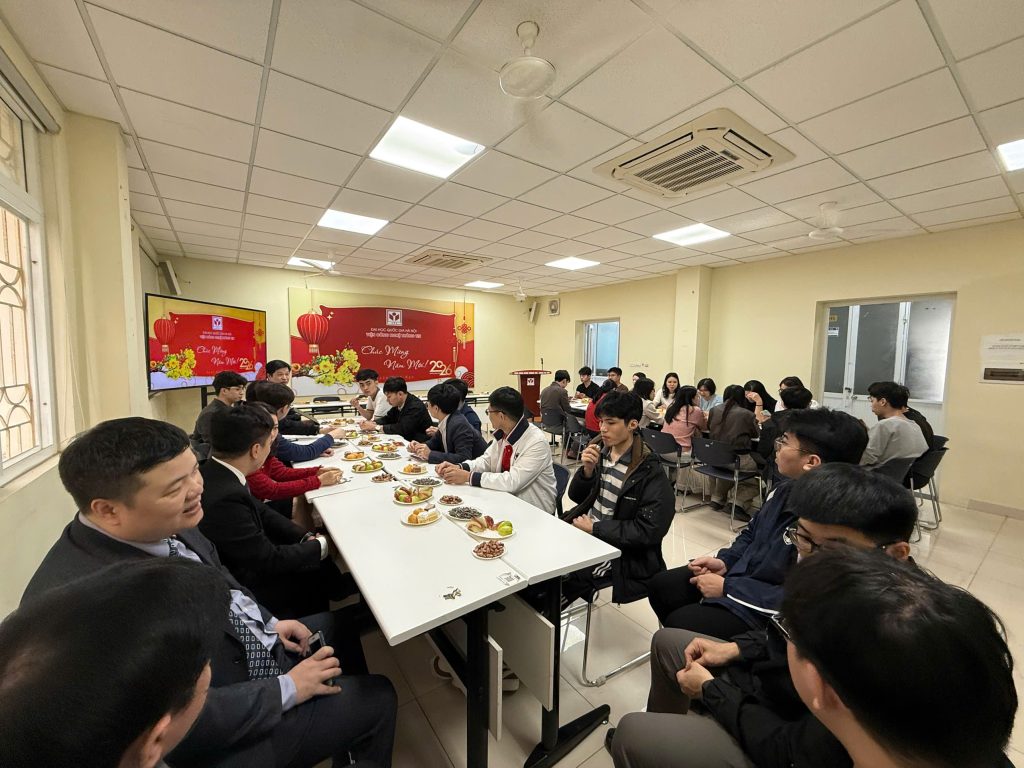
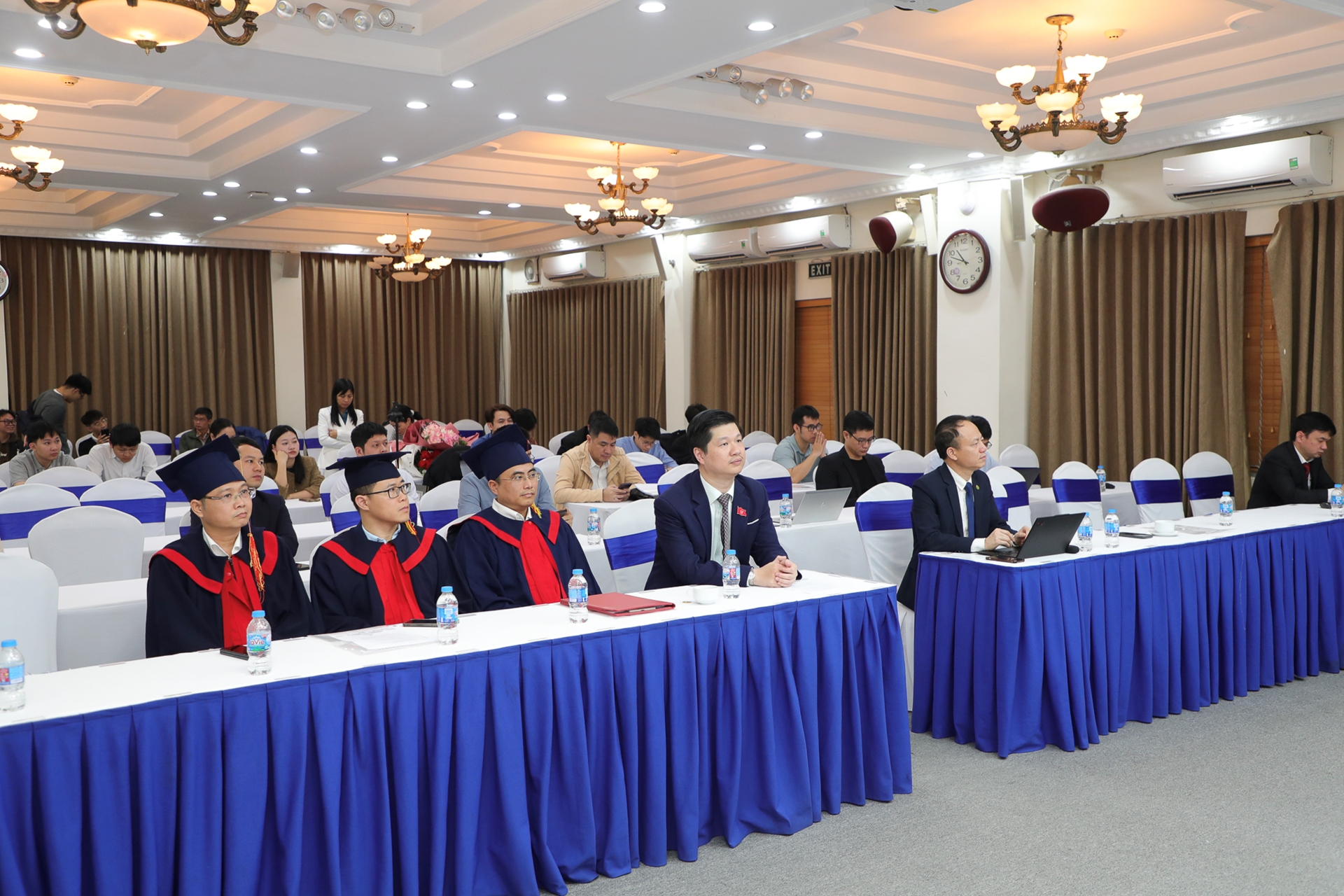
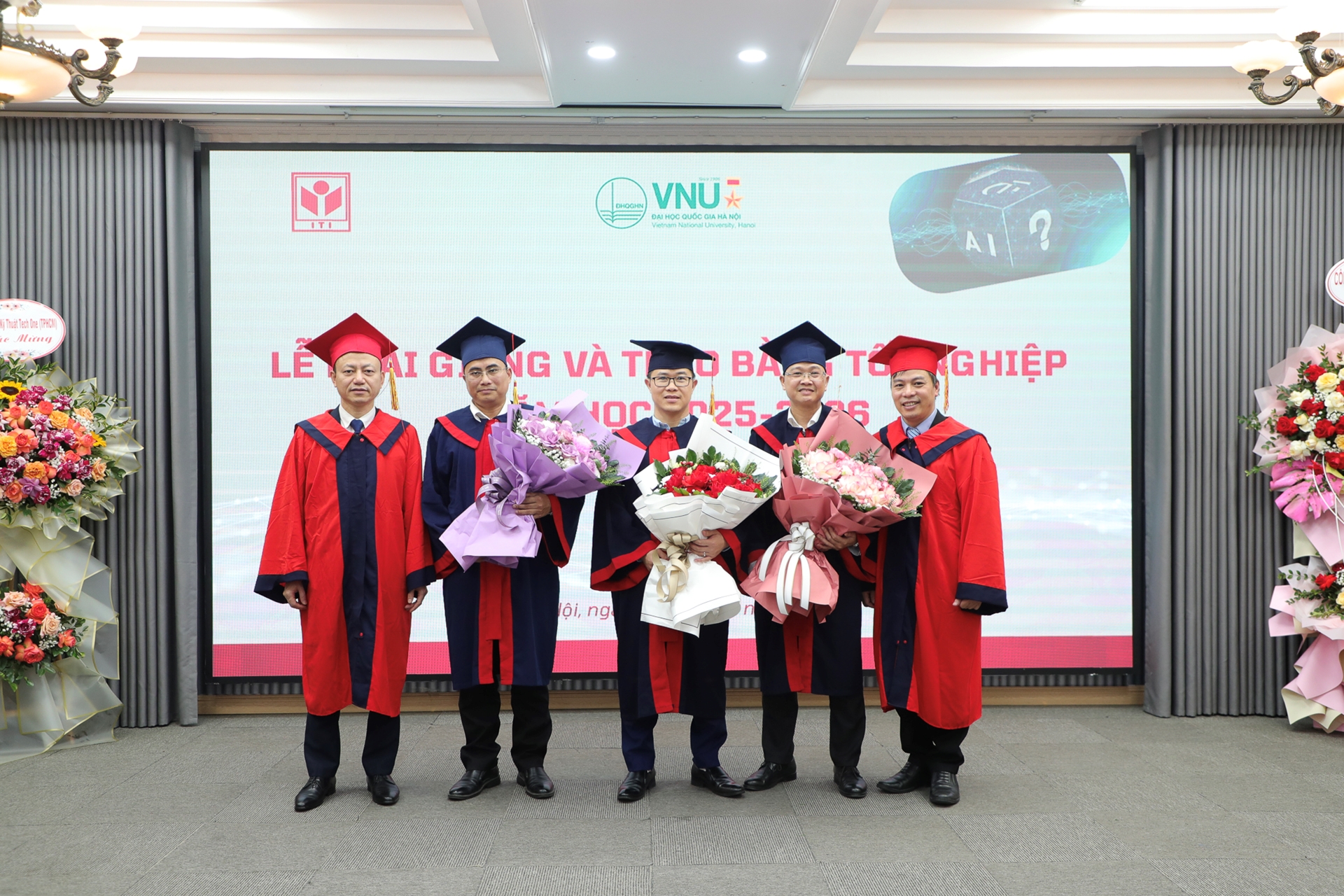
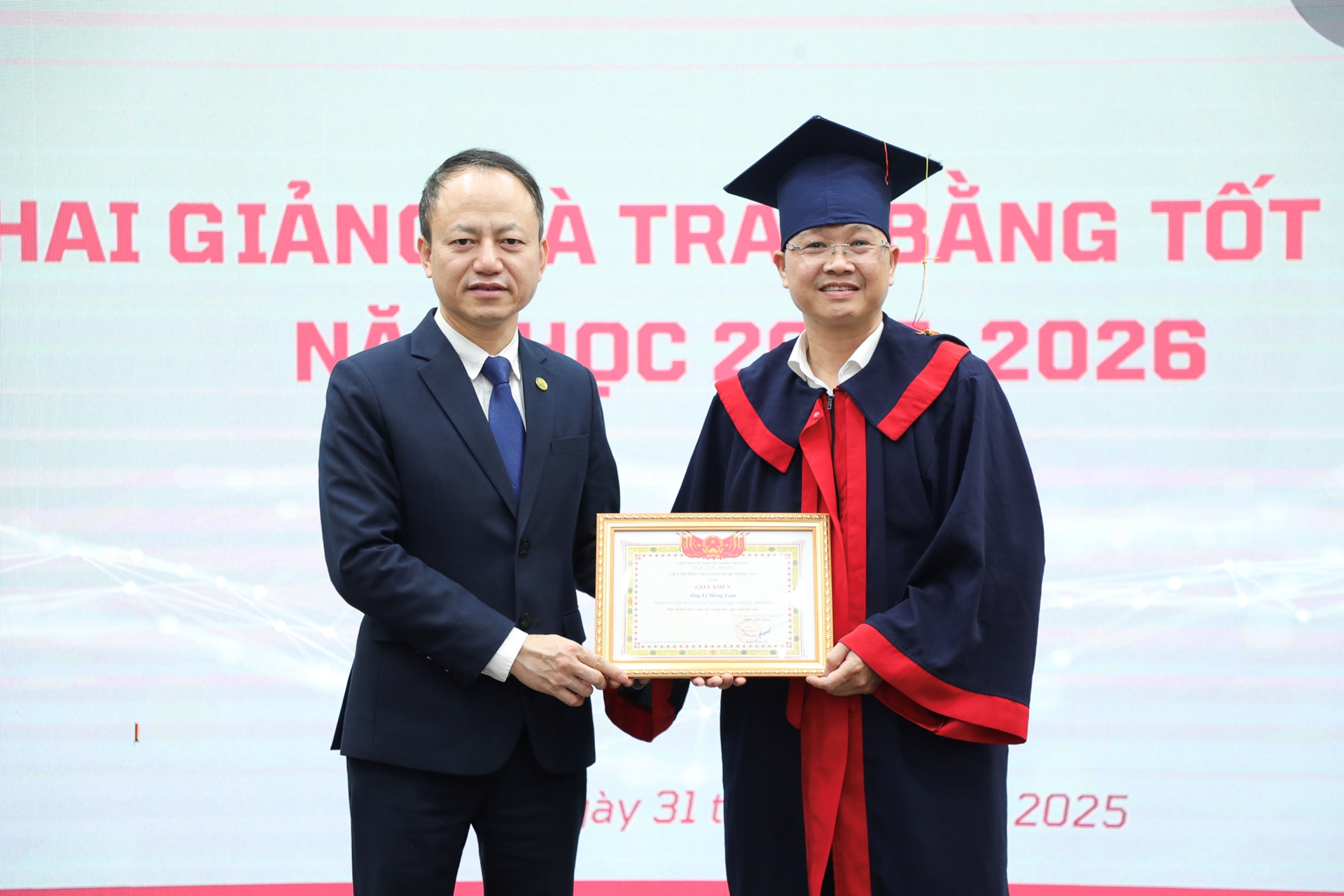
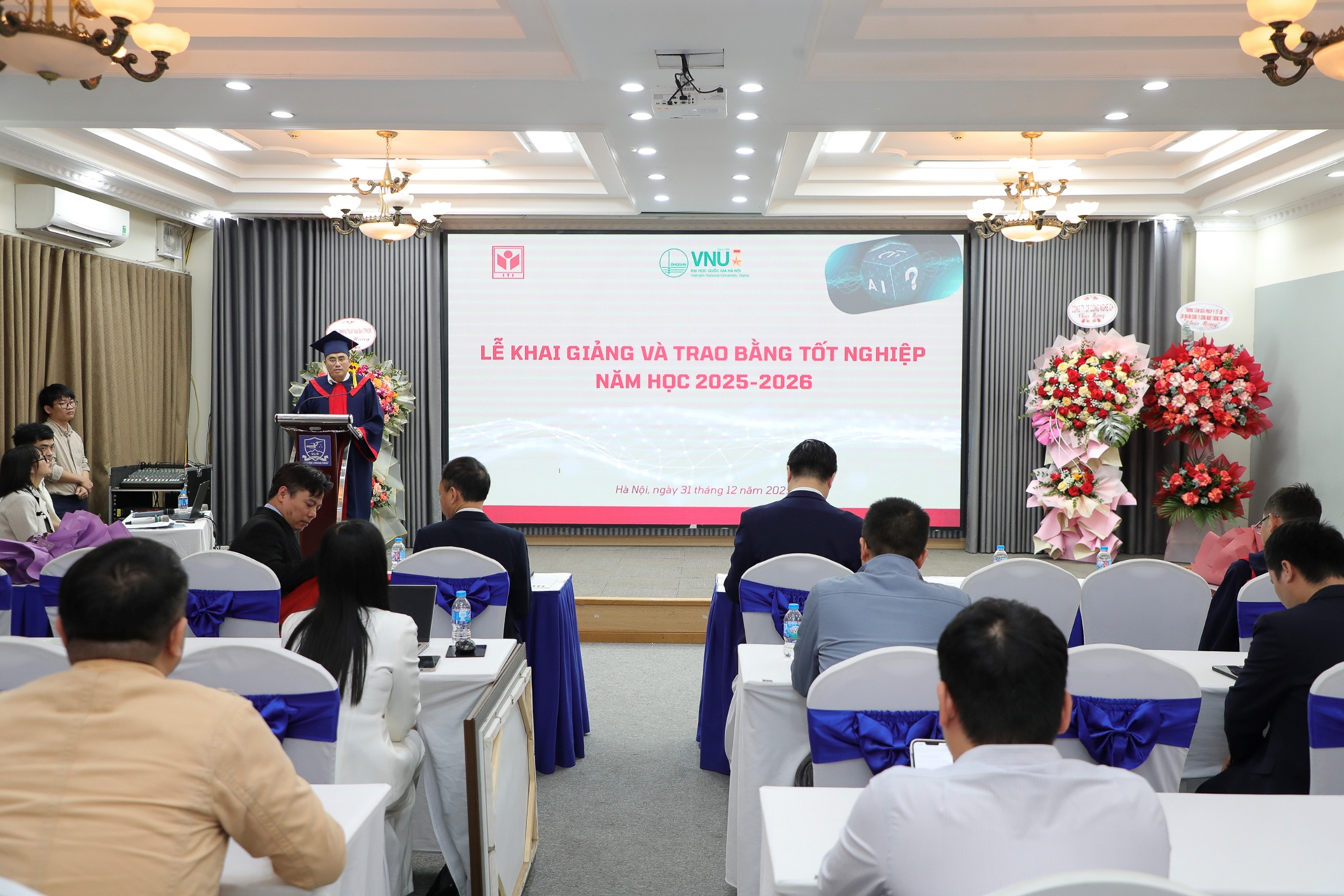
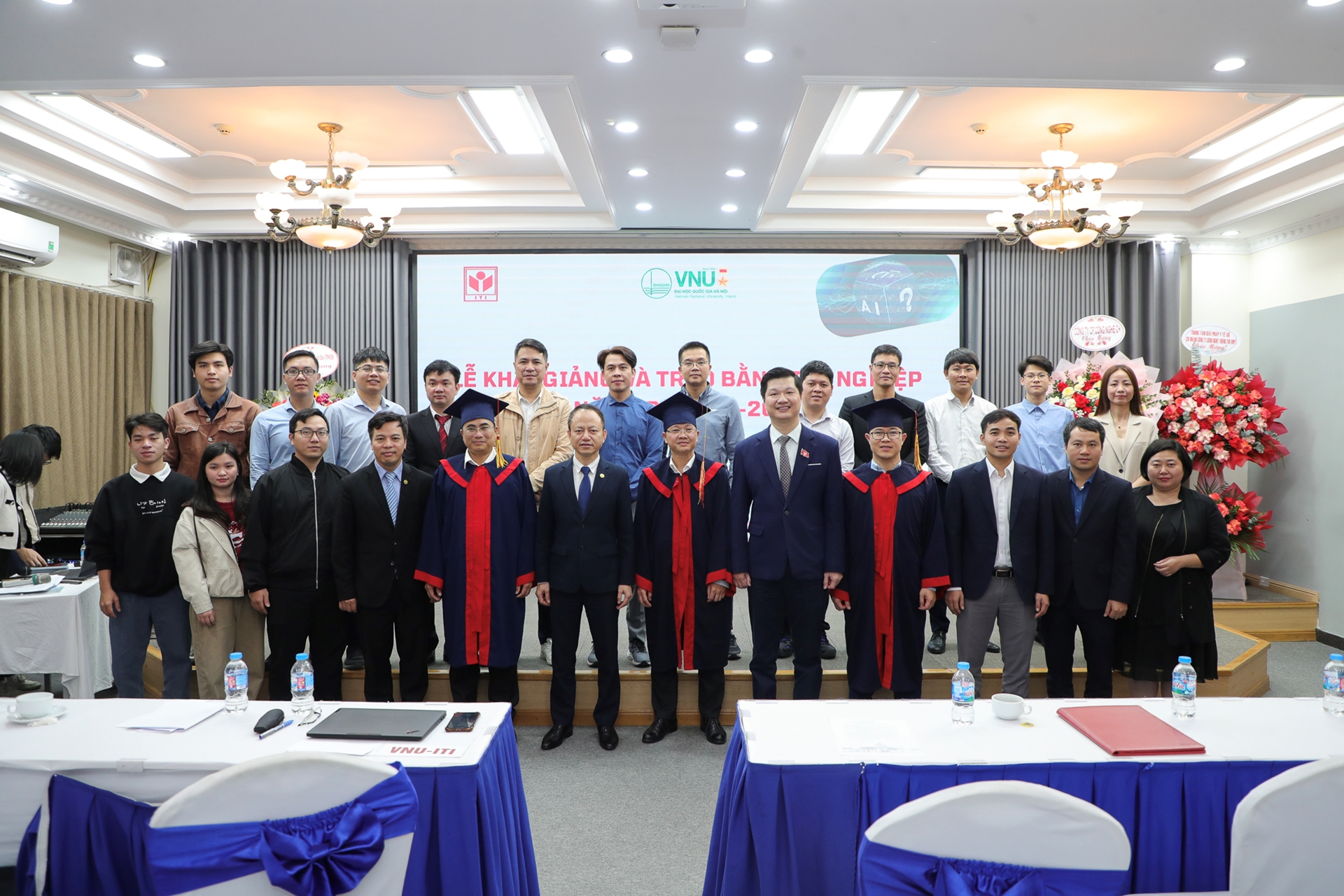
On the same day, VNU-ITI held the degree conferral ceremony and the opening of the 2025 doctoral training program. This year, VNU-ITI welcomed an additional 10 doctoral candidates, marking the largest number of postgraduate students to date.
Source: Ngoc Diep, Quoc Toan – VNU Media
Media coverage of the event: