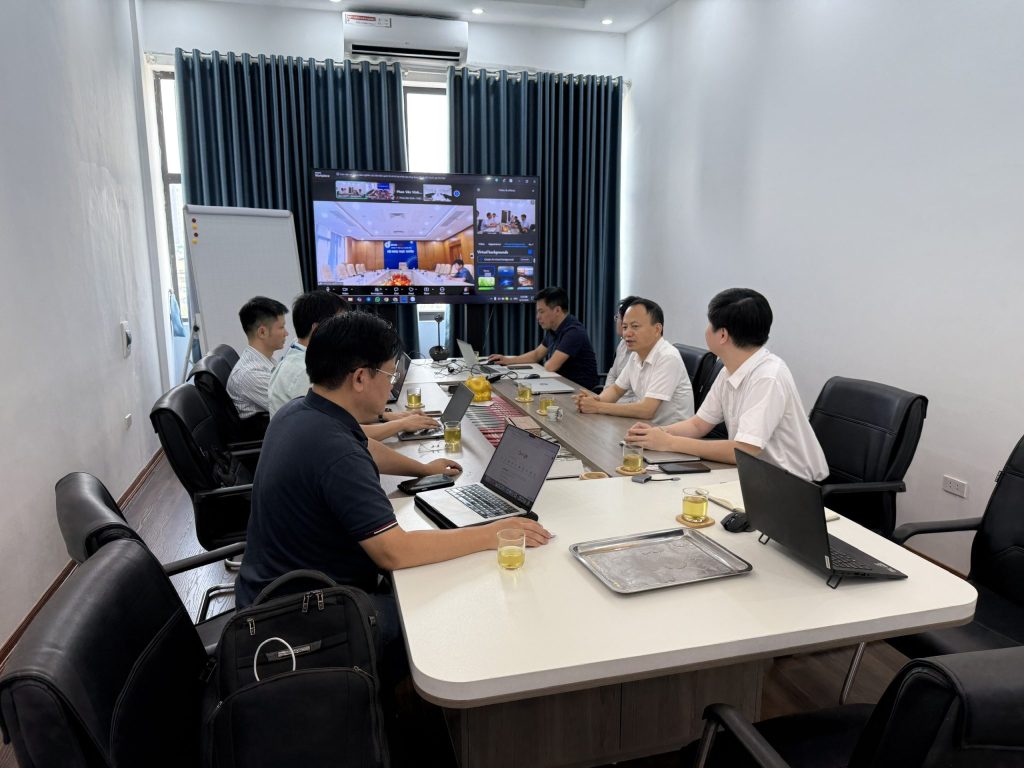
The year 2025 concluded with many significant milestones, marking a strong transformation of the Information Technology Institute – Vietnam National University, Hanoi amid the emergence of new opportunities and challenges. The Institute achieved notable progress in science and technology, innovation, and digital transformation, laying a solid foundation for development in the next phase.
1. The establishment of three strategic technology centers in Artificial Intelligence, Semiconductor Chips, and Information Security
Implementing Central Resolution No. 18 and the Development Plan of the Information Technology Institute toward 2030, with a vision to 2045, the Information Technology Institute restructured its research units and established three strategic technology centers, in line with the spirit of Politburo Resolution No. 57.
- Research Center for Information Safety and Security
- Research Center for IC Design and Applications
- Advanced International Research Center on Applied Artificial Intelligence
Immediately after the restructuring, the centers leveraged their strengths and seized opportunities, making breakthroughs in training, scientific research, and innovation, with many notable technological products in application, technology transfer, and policy consultancy.
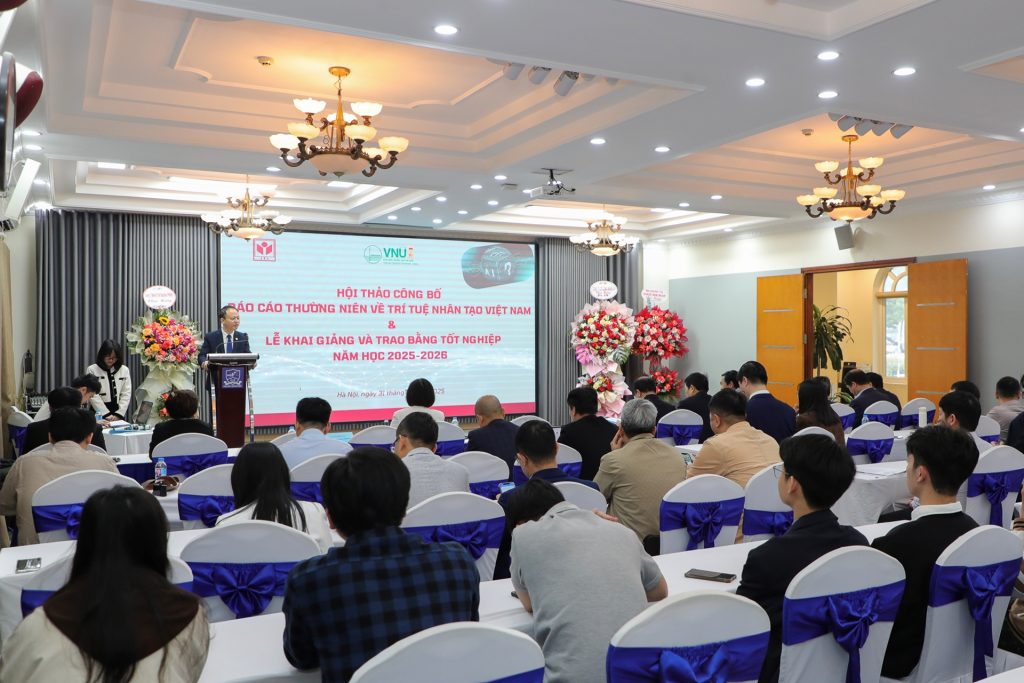
2. Successfully organizing prestigious international scientific conferences such as IEEE ISCIT 2025, ICTA 2025, and ICDV 2025, contributing to affirming the position of the Information Technology Institute and Vietnam National University, Hanoi.
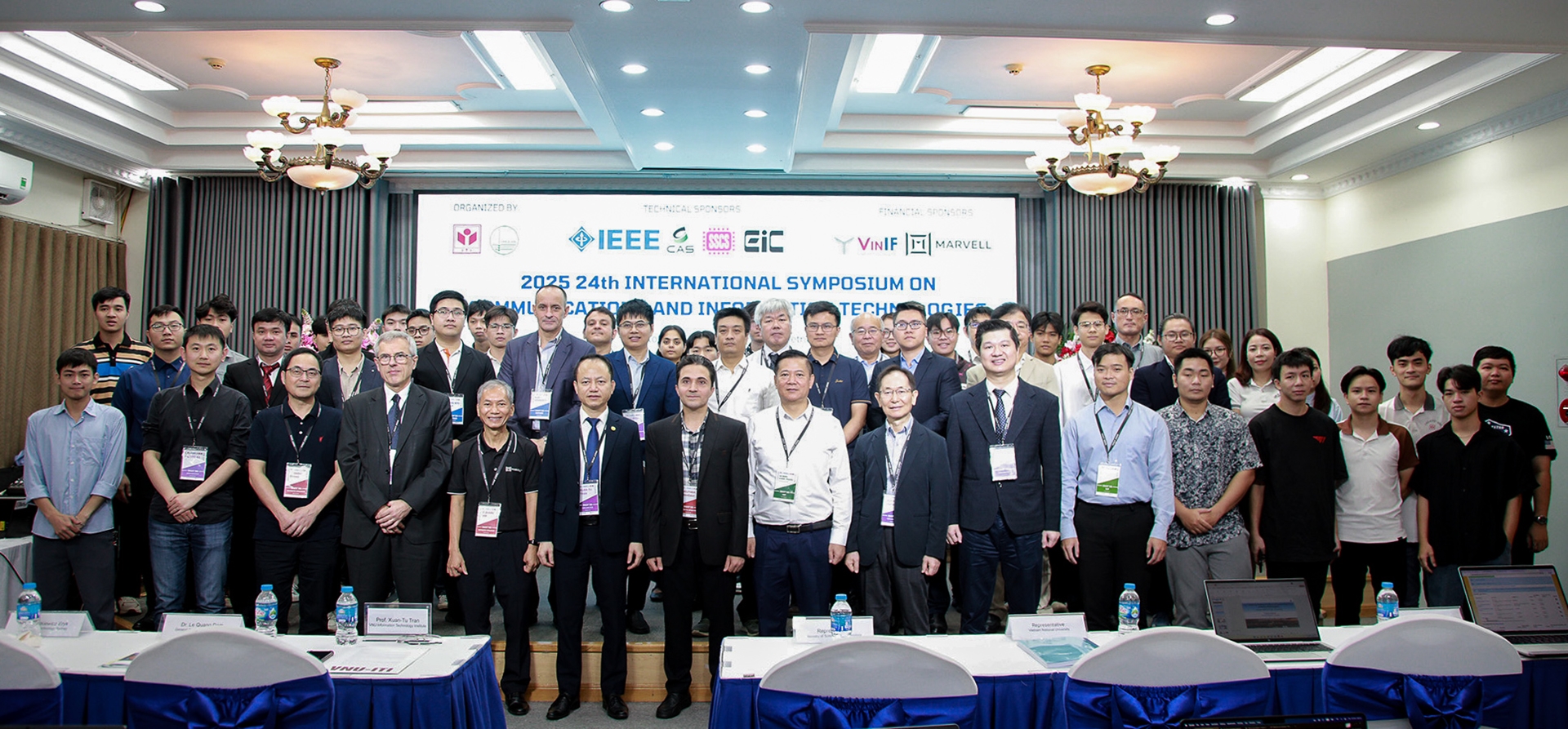
From October 16–18, 2025, the Information Technology Institute, Vietnam National University, Hanoi organized the 24th IEEE International Symposium on Communications and Information Technologies (ISCIT 2025). ISCIT 2025 attracted more than 120 participants, of whom 50% were international delegates. The conference focused on discussion and publication of research results related to various advanced fields of science and technology. Conference topics included analog and mixed-signal processing; brain–machine interface circuits and systems; circuits and systems for communications; embedded communication systems; hardware architectures for artificial intelligence; IoT devices, wearables, and smart sensors; low-power design and VLSI; neuromorphic computing; and 5G and beyond-5G technologies.
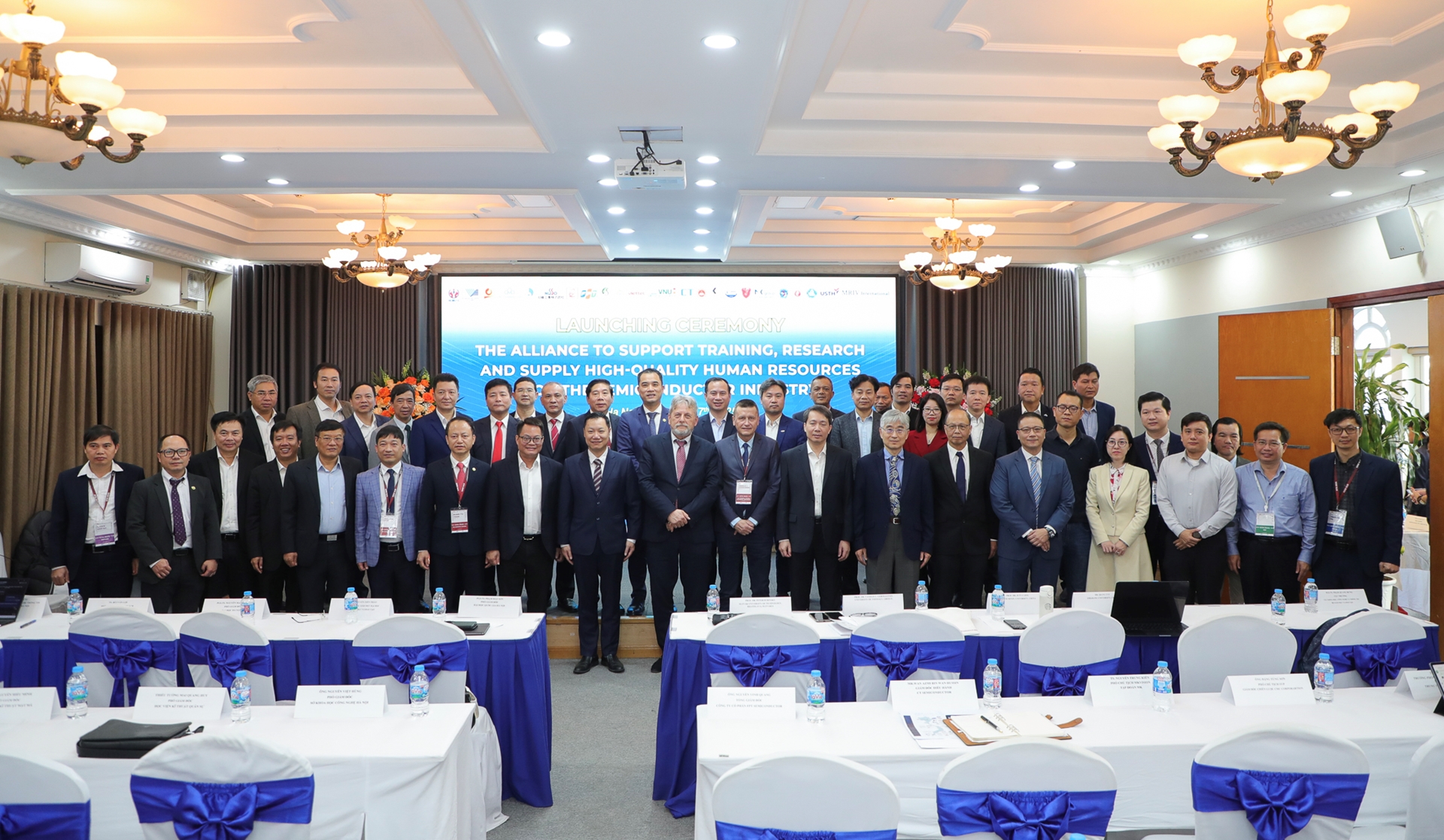
The ICTA 2025 Conference, themed “Towards Advanced Technologies and Applications of Artificial Intelligence and Semiconductor Technology,” co-organized by the Information Technology Institute, Vietnam National University, Hanoi and the University of Information and Communication Technology – Thai Nguyen University, was held on November 27–28, 2025 and attracted more than 250 scientists. A total of 172 papers (selected from nearly 400 submissions) were presented at the conference. ICTA 2025 contributed to building a solid foundation for sustainable development in the field of technology, aiming toward future breakthroughs. The event also affirmed the commitment of Vietnam National University, Hanoi to enhancing the quality of education and scientific research, while accompanying international partners in the development of information and communication technologies. At the opening session of the ICTA Conference, the launch ceremony of the Semiconductor Alliance initiated by Vietnam National University, Hanoi also took place, with the aim of contributing to the successful implementation of Vietnam’s Semiconductor Industry Human Resource Development Strategy toward 2030.
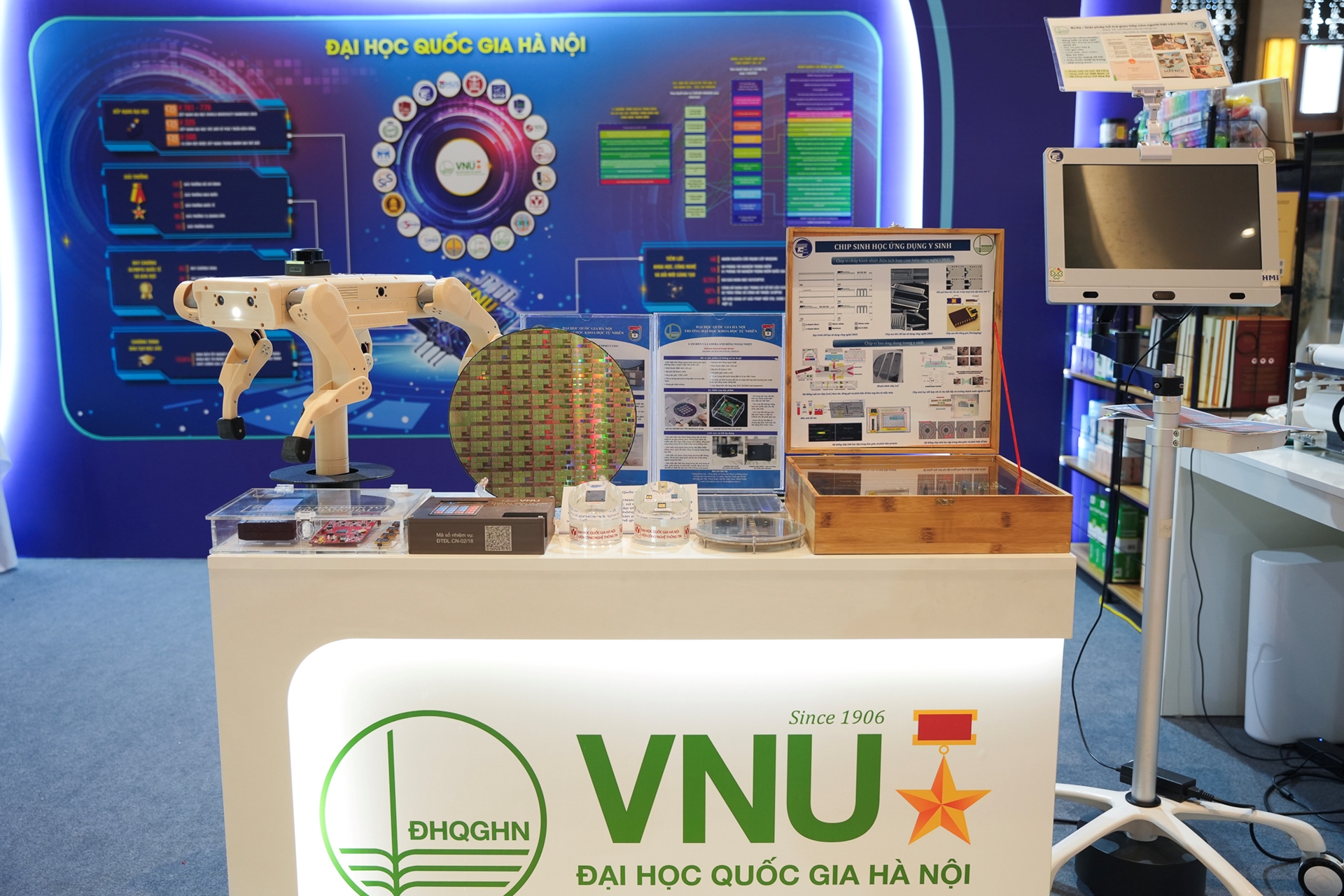
3. Participating in the Exhibition of National Achievements “80 Years of Independence – Freedom – Happiness” and the Exhibition “Selected Outstanding Achievements in Education and Healthcare,” and thoroughly implementing the resolutions of the Politburo with numerous semiconductor chip products and artificial intelligence applications.
The Information Technology Institute participated in the Exhibition of National Achievements “80 Years of Independence – Freedom – Happiness,” held from August 28 to September 15 at the National Exhibition Center, showcasing a set of five semiconductor chip products.
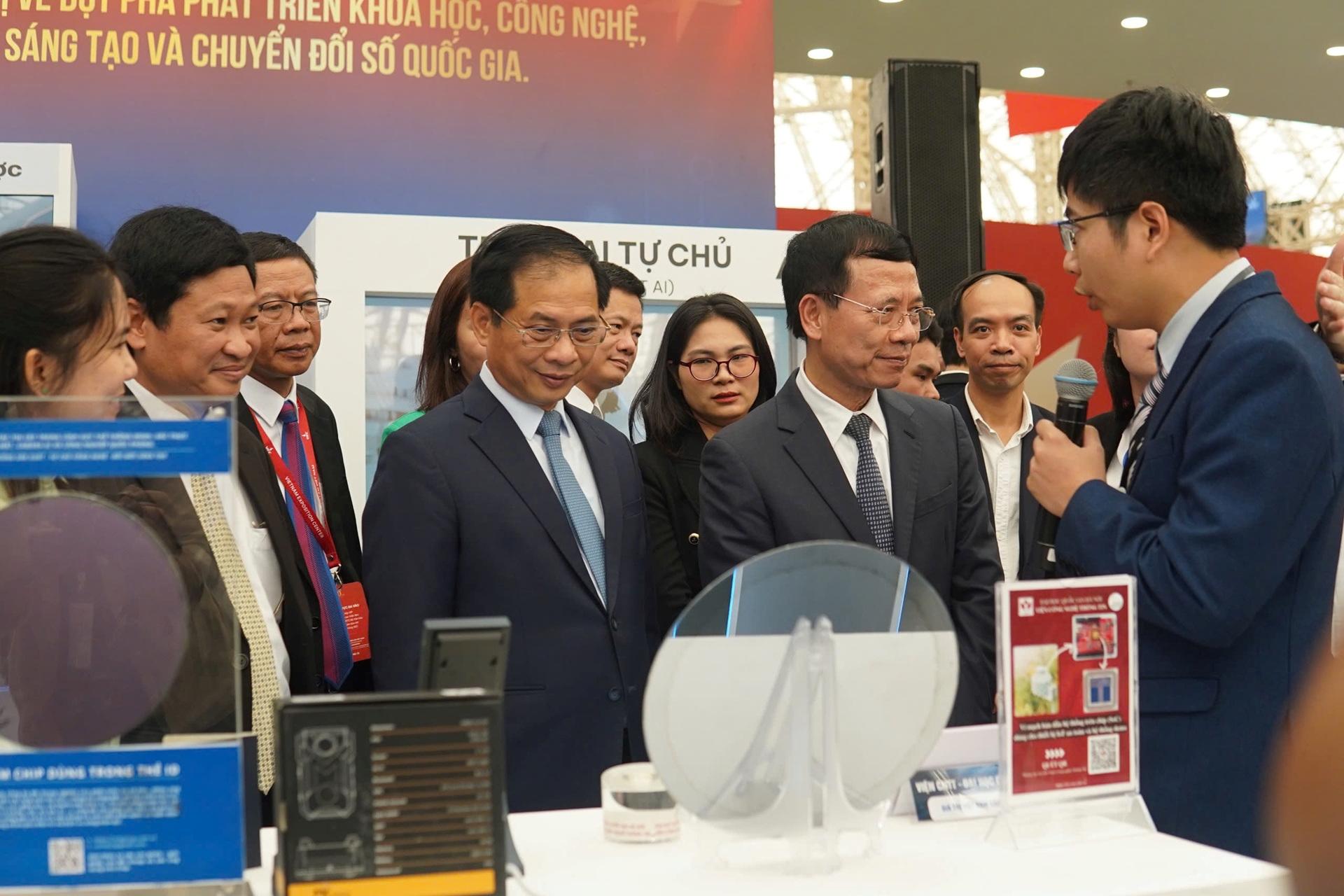
The Exhibition “Selected Outstanding Achievements in Education and Healthcare” and the dissemination and implementation of the resolutions of the Politburo took place on September 16 at the National Convention Center.
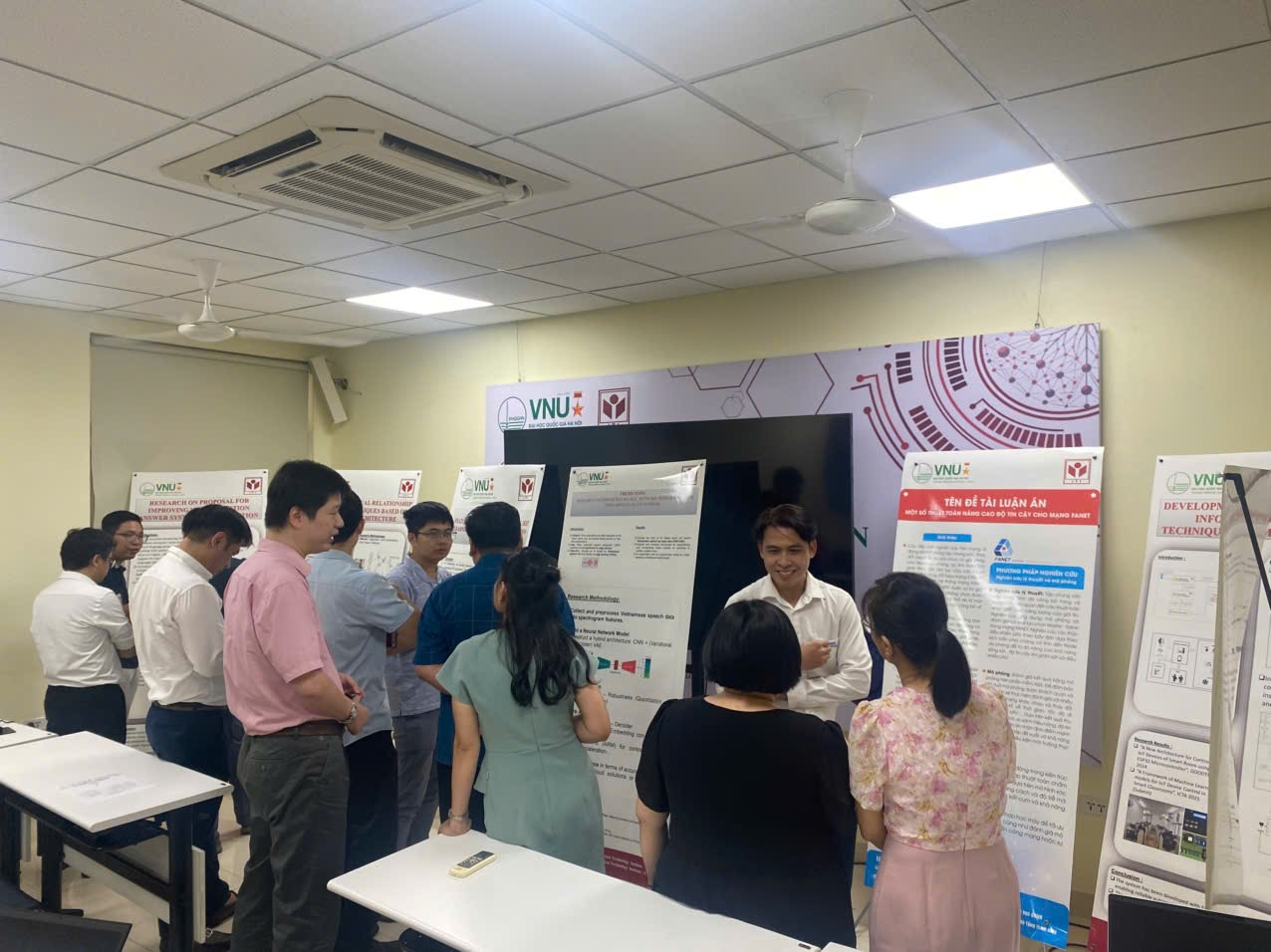
4. For the first time, a doctoral candidates’ day was organized, marking an important starting point for an annual activity aimed at connecting and developing the Institute’s doctoral research community.
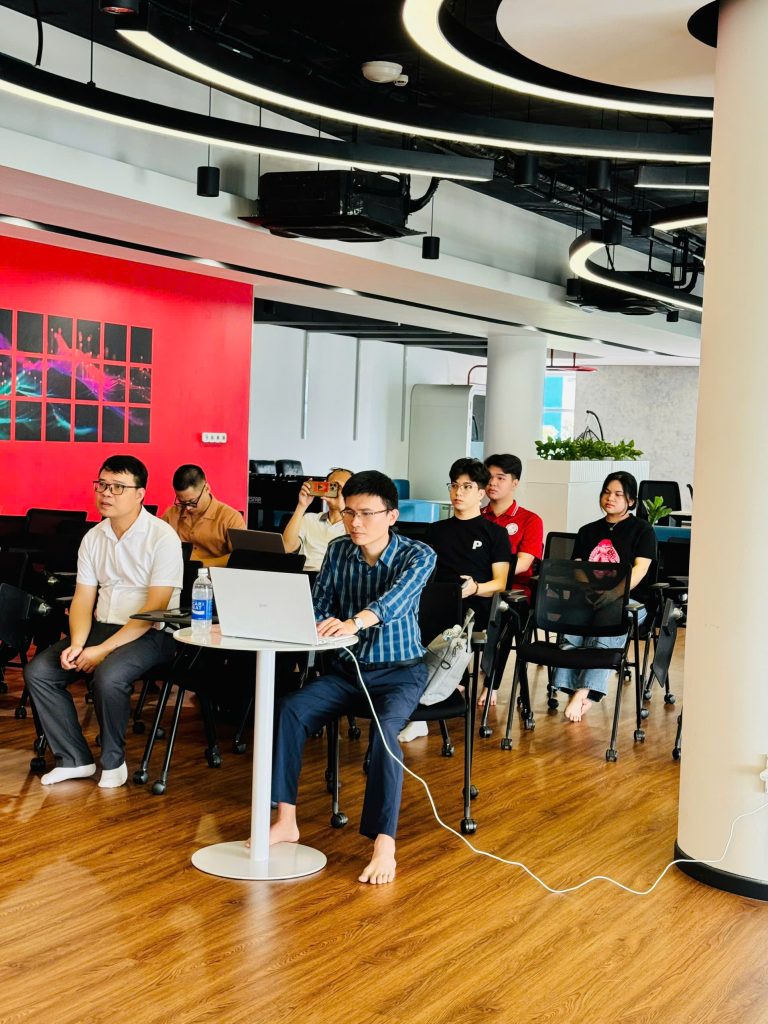
On the afternoon of August 19, 2025, the Doctoral Candidates’ Day 2025 was held at the Information Technology Institute – Vietnam National University, Hanoi. The event was attended by the leadership of the Information Technology Institute, supervisors, scientists, enterprise representatives, and a large number of doctoral candidates currently studying at the Institute.
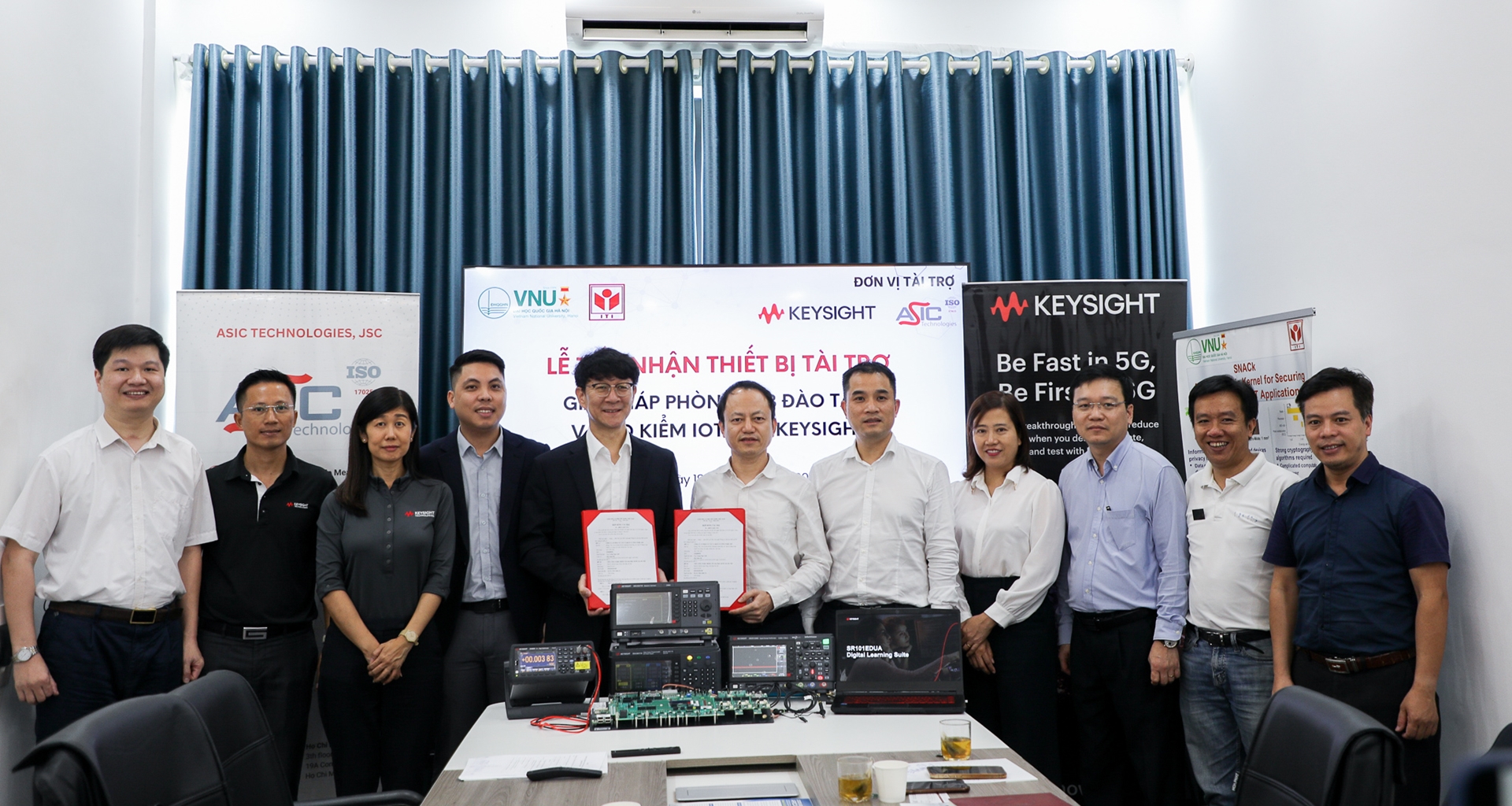
5. Receiving a sponsored package of solutions for the IoT Training and Measurement Laboratory funded by Keysight Technologies (USA), with a total sponsorship value of up to USD 200,000.
This represents an important step in implementing the triple-helix collaboration, and is also the result of a long-term partnership between Keysight Technologies (USA) and the Information Technology Institute, Vietnam National University, Hanoi, aimed at developing research, training, and application capacities in the fields of the Internet of Things (IoT), electronics and telecommunications, and semiconductor chips, thereby contributing to the training of high-quality human resources for the national digital transformation.
6. The year 2025 marked many outstanding achievements in innovation and intellectual property activities.
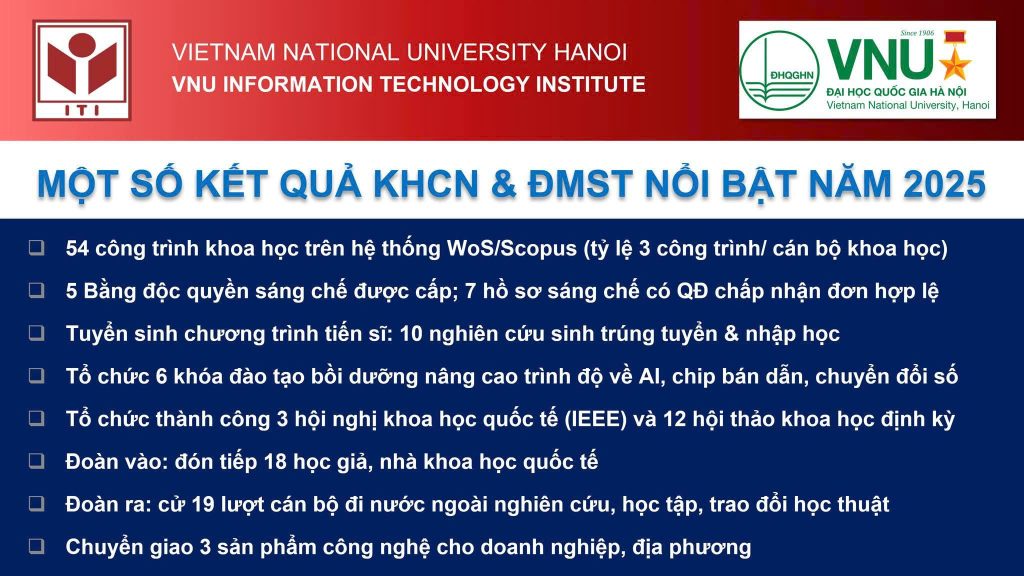
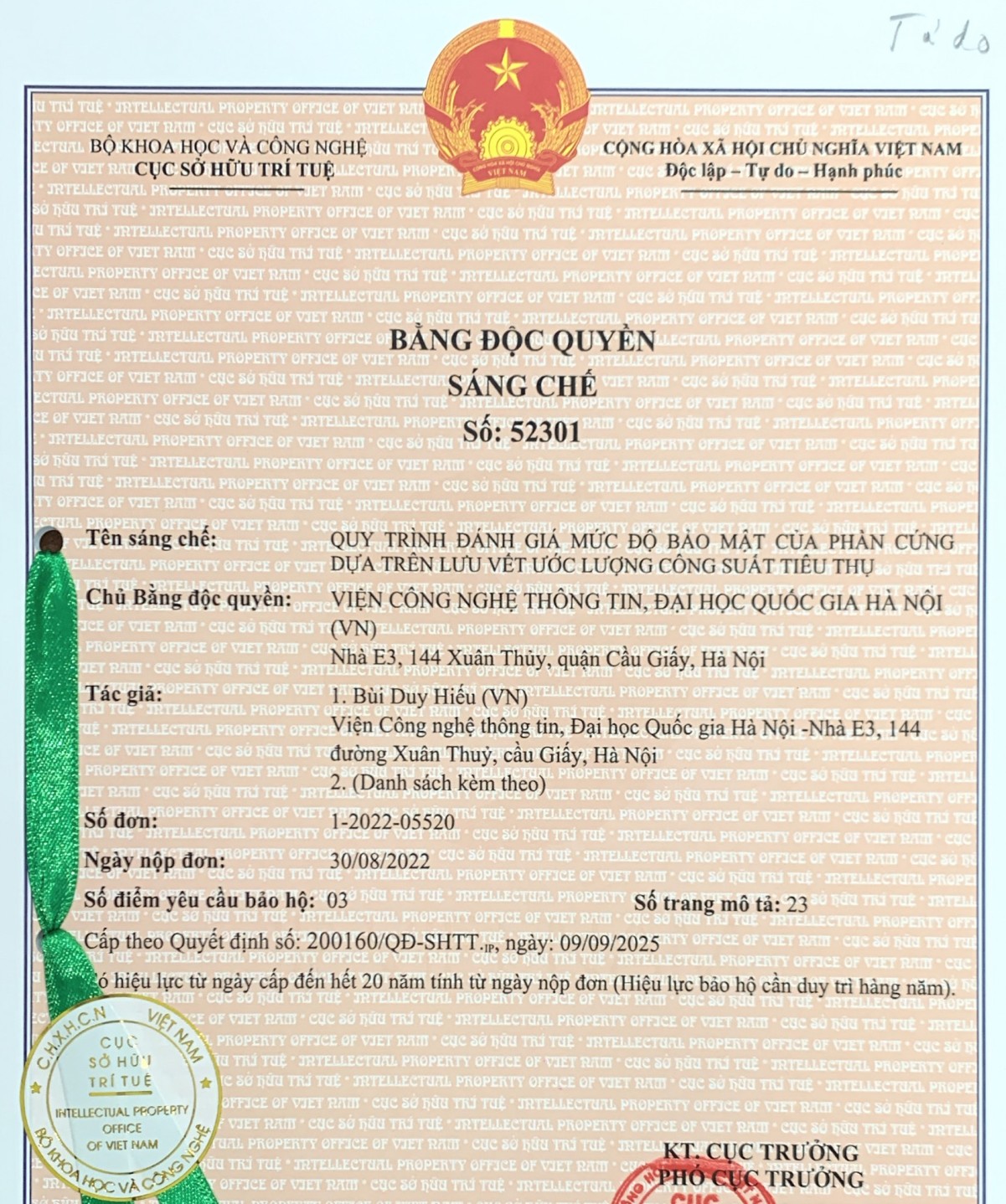
In addition to maintaining strong growth in scientific publications (with 74 papers published in WoS/Scopus-indexed journals), 2025 marked many outstanding achievements in innovation and intellectual property activities. The results not only reflect growth in quantity but also demonstrate increasingly improved quality and effectiveness, contributing to enhanced competitiveness and sustainable development. Specifically, in 2025, the Institute was granted five invention patents and successfully filed seven new patent applications (with decisions on acceptance of valid applications) for new research outcomes, reflecting a strong increase in the research and innovation capacity of its staff, lecturers, and researchers.
7. Admissions activities were implemented in a synchronized and effective manner, with the number of admitted learners doubling compared to the planned target (reaching 200% of the set quota), contributing to the enhancement of both the scale and quality of doctoral-level training.
Admissions activities in the year achieved outstanding results, as evidenced by enrollment exceeding 100% of the assigned quota. This is an important milestone, reflecting the attractiveness of the training programs, the reputation of the Information Technology Institute, and the effectiveness of admissions communication and counseling activities.
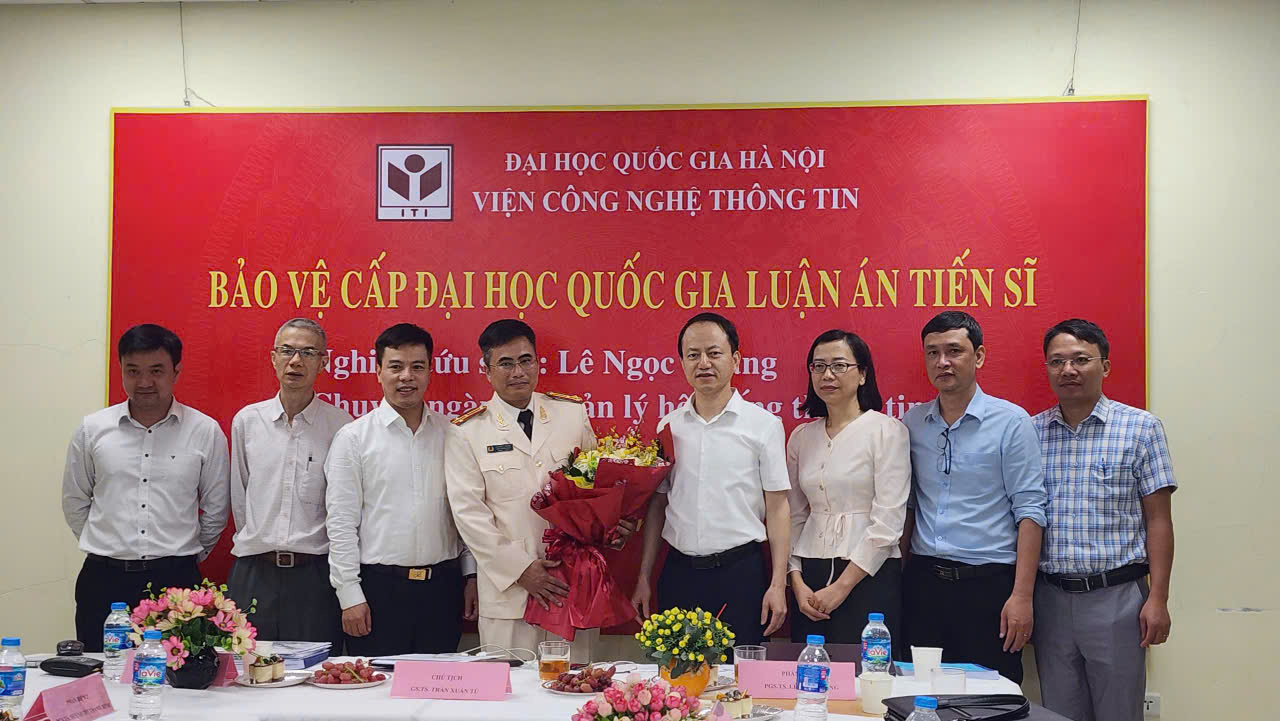
Exceeding the enrollment targets not only contributed to ensuring the training scale in line with the strategic plan but also affirmed learners’ trust in the training quality of the Information Technology Institute, while contributing to the implementation of Central Conclusion No. 45. In addition, in 2025, three doctoral candidates completed their training programs and were awarded doctoral degrees.

8. Effective enterprise and international cooperation, fostering an international environment in education and scientific research
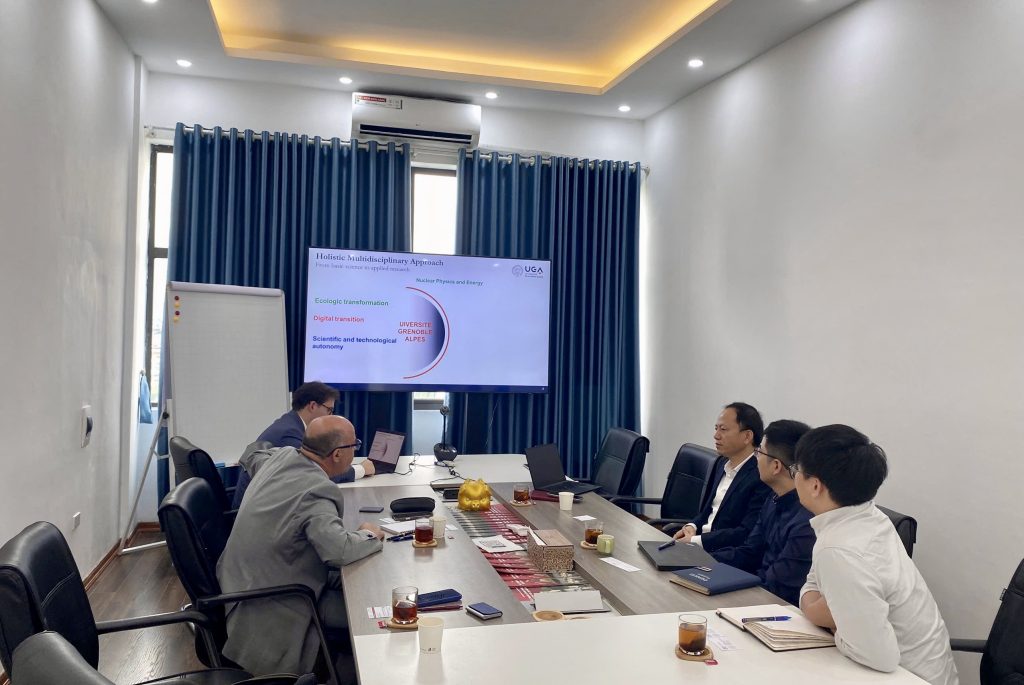
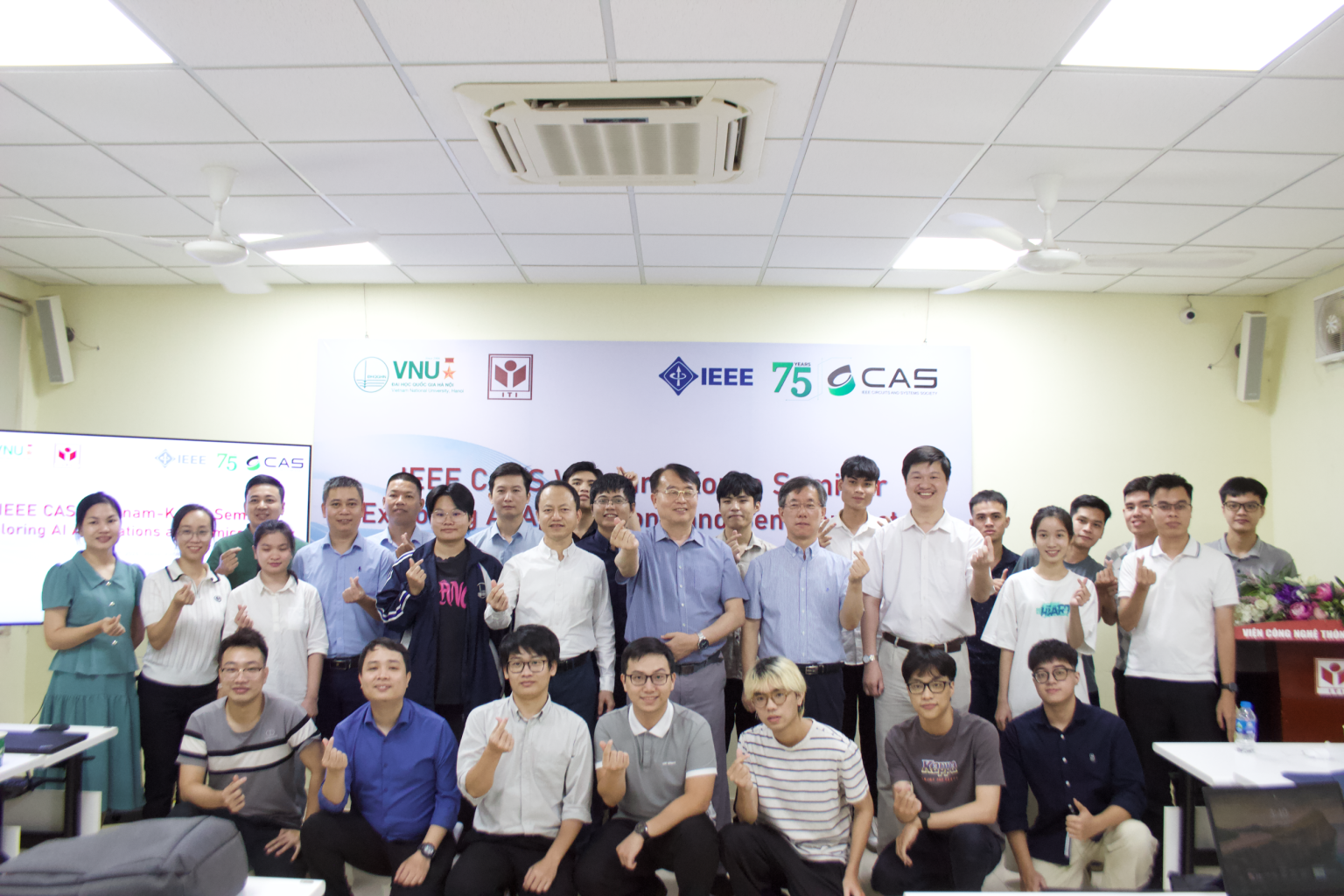
To enhance academic exchange and promote international cooperation and triple-helix collaboration in education and scientific research, the Information Technology Institute implemented a range of coordinated activities: (1) organizing international and national scientific conferences and workshops; (2) attracting outstanding scientists to work at the Institute (Prof. Koichiro Ishibashi – UEC, Japan; Assoc. Prof. Nguyen Cam Tu – Nanjing University, China; Dr. Nguyen Viet Cuong – INT2 Company; Dr. Orazio Aiello; Prof. Helmut Harbrecht – University of Basel, Spiegelgasse, Switzerland; …); (3) strengthening cooperation with leading universities and technology corporations (RMIT University, Australia; University of Tokyo, Japan; Paris-Saclay University, France; CEA-Leti Center, France; Synopsys; ARM, USA; Toshiba, Japan; …); and (4) establishing joint laboratories between the Information Technology Institute and enterprises in the field of simulation and high-performance computing.
9. Revenue allocated to science and technology activities and innovation increased significantly
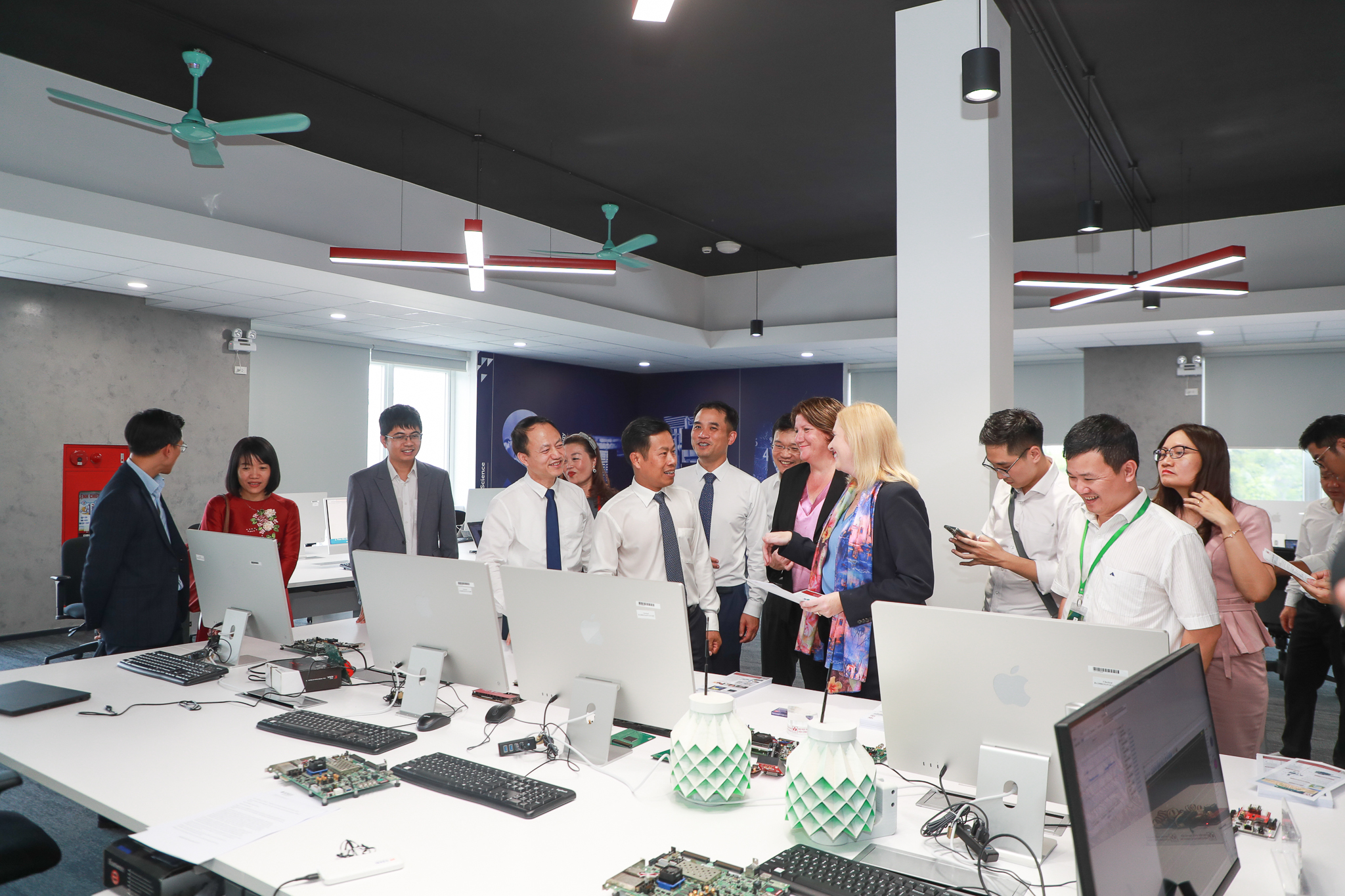
Research groups successfully secured numerous national- and international-level science and technology projects, generating revenue for the Institute’s science and technology activities. In addition, the Information Technology Institute signed technology transfer contracts and received a wide range of scientific equipment. The total revenue allocated to science and technology activities in 2025 is estimated at over VND 17 billion. Notably, the Institute signed several contracts and projects, including the RAI project under Australia’s Aus4Innovation Program; national key science and technology missions; a sponsorship package from Keysight Technologies; and technology transfer contracts with enterprises such as Toshiba, FPT Telecom, AMED, and APTA.
10. Effective short-term training activities, generating added value while affirming the role of the Information Technology Institute in training human resources in key technologies (Artificial Intelligence; Semiconductor Chips).
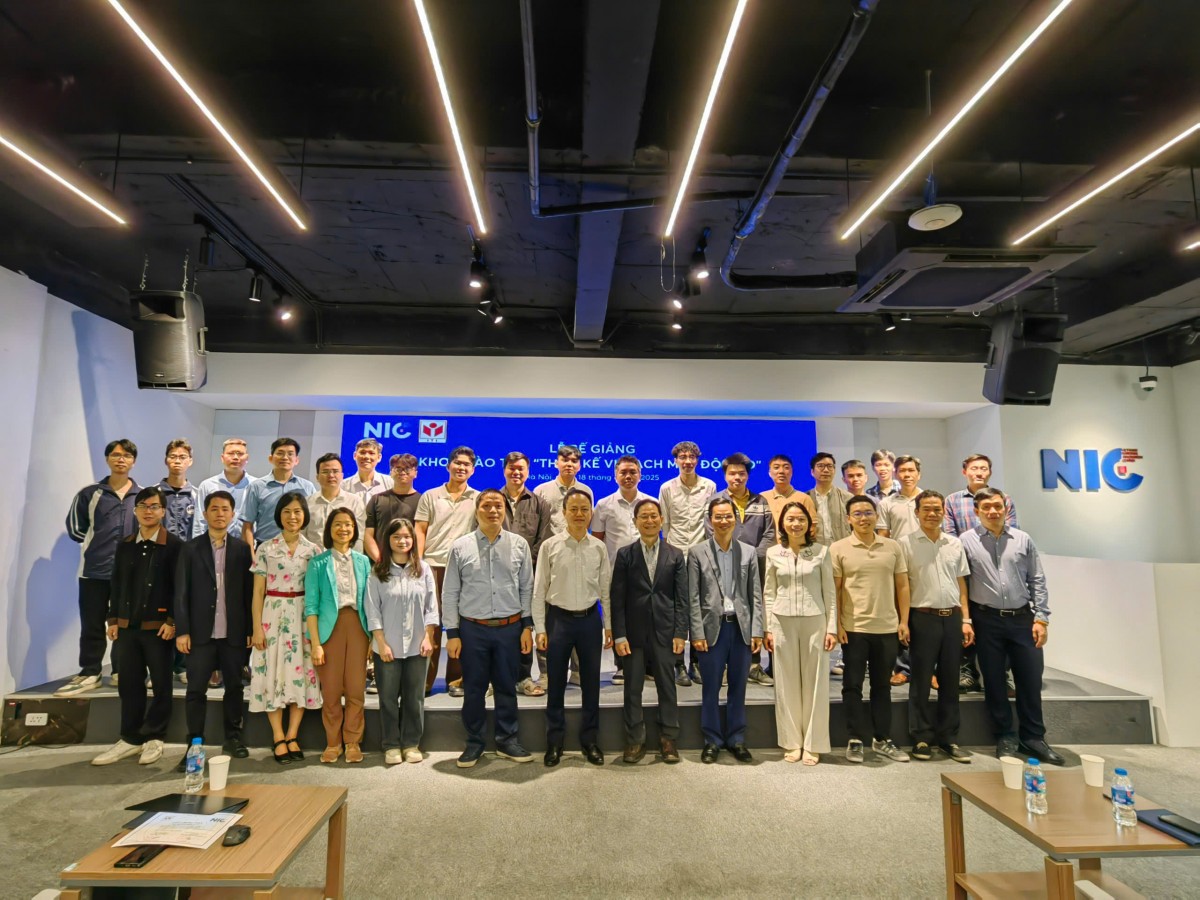
The Information Technology Institute successfully organized short-term training courses on AI Applications and Semiconductor Microchip Design, exceeding the set targets. In particular, from November 7 to November 18, 2025, the Information Technology Institute, in collaboration with the National Innovation Center (NIC), the Ministry of Finance, and the University of Genoa (Italian Republic), organized the training course “Analog Integrated Circuit Design and Layout” for nearly 40 lecturers, students, and researchers from universities and enterprises, aiming to develop high-quality human resources for Vietnam’s semiconductor industry.
In addition, the Information Technology Institute also implemented numerous refresher training courses for officials from provinces, localities, and ministries, contributing to the national digital transformation process and the widespread adoption of artificial intelligence applications.